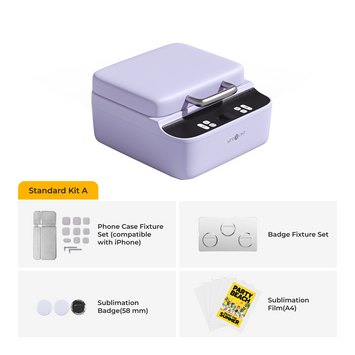
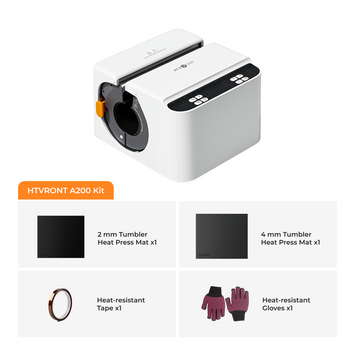
Tumbler Heat Press is a popular method for showcasing DIY designs on cups, known for its excellent color performance and reliable quality. It has become a favorite among creative individuals and small business owners.
However, if you don’t have the right sublimation materials or a Heat Press Machine at hand, you might want to try another cup DIY method—making epoxy tumblers.
Epoxy tumblers are an interesting way to express your artistic side, though it might seem hectic if you are new to resin crafting. These tumblers are gaining more popularity as they allow you to try out new projects, create something personal, and save a few bucks.
This guide covers all the materials needed for this project, how to mix and apply epoxy resin, the décor to use, and additional tips to make the process easier while achieving high-quality results.
If you’re ready to take on a challenge and work on a new epoxy project, let us get right into it.
Tumbler – Preferably stainless steel as it’s durable, and the most compatible with epoxy resin. Sublimation tumblers also work well.
Resin - Part A, and Part B (hardener)
A DIY or motor cup turner
Silicon mixing cups and stirrers
Measuring cups
Mod podge
Clear coat spray – Should bond well with your tumbler’s material
Painters tape
Heat torch
Wet/dry sandpaper up to 320 grit
Protective gear: mask and disposable gloves
(Optional) Blessings such as glitter, alcohol inks, and vinyl decals
Your best bet is gathering all your supplies before you start working so you don’t need to stop in between to get something.
Step-by-step guide for applying epoxy tumblers
Follow this beginner-friendly guide to make a beautiful epoxy tumbler.
Step 1: Prepare the crafting area
Whether you are working on this project at home, an art class or a workshop, its important to clear your working area. If possible, use a sturdy table, ventilate the room, and work under room temperature. Cover important surfaces with sheets to protect them from possible accidental spills. Don’t cram up your supplies, but keep them within reach.
Whether you are working on this project at home, in an art class, or in a workshop, it's important to clear your working area. If possible, use a sturdy table, ventilate the room, and work under room temperature. Cover important surfaces with sheets to protect them from possible accidental spills. Don’t cram up your supplies, but keep them within reach.
Step 2: Prepare your tumbler
The tumbler should be free of oils, dust, or any other contaminants that could interfere with adhesion. Wash with soap and rinse it with warm water, then completely air dry it. Any moisture could easily mess up the project. Use alcohol and cloth to clean anything left behind after washing.
Lightly sand down the tumbler’s surface. The aim is to create a rough texture for the epoxy to have a better grip, which improves its adherence.
Next, use painter’s tape to cover the tumbler’s rim. Run the tape consistently around the lip, leaving a quarter of an inch. This prevents the epoxy from getting into the lip where you’ll drink from. Epoxy resins are not food-safe, so it is good to keep them away from the mouth whenever you can.
Step 3: Set up the cup turner
If you are unfamiliar with a cup turner, is used to rotate the tumbler in a slow and steady motion, preventing the epoxy from dripping or poling as it cures. Firmly mount and secure the turner on a levelled surface in a dust-free area. Place a drop cloth under it to collect any drippings for easy cleaning. Adjust the rotation speed to something you’re comfortable working with.
Step 4: Apply a basecoat then glitter (optional)
Apply a thin layer of base paint to enhance the tumbler’s design, especially if you’ll be using glitter or ink.
It provides a solid background color, adding depth to the blessing, and making the colors pop. Avoid heavy layers because they drip, and might show in through the epoxy. Let it dry for thirty minutes before proceeding so that the paint doesn’t bleed into the epoxy.
Step 5: Using Mod Podge to stick glitter
Mod Podge acts as a glue, sealer, or finish in art projects. You can use it to adhere glitter on the tumbler, ensuring it stays in place throughout the epoxy application. Spread a thin layer of Mod Podge on the dry basecoat, but only on parts that you want glitter to adhere to.
Then sprinkle the glitter on that layer, gently tapping the tumbler as you rotate it to reduce clumping up. Work in sections to prevent the Mod Podge from drying out before you apply the glitter. Let it dry for 30 minutes, then move to the next stage.
Step 6: Using tack-it to stick glitter on the tumbler
If you don’t have Mod Podge, you can use Tack-It as a temporary adhesive to hold the glitters in place while applying epoxy. Unlike other adhesives, Tack-It does not dry out completely immediately. This allows you to reposition the glitter until it is set.
Just as with Mod Podge, spread a thin layer and then sprinkle glitter while the tack is still tacky. Add a sealing layer of tack-it to prevent the glitter from rubbing off when applying epoxy. Leave it to air dry for thirty minutes.
Step 7: Mix the epoxy
Mixing the epoxy is a crucial aspect of this process because the ratio and components must be correct.
Using a clean and dry measuring cup, measure both arts of the resin, Part A and the hardener, part B, separately. Manufacturers provide specific working ratios, but the typical one is 2:1. After measuring, pour them into one bowl and mix using a stir stick. Stir slowly and consistently for 5 minutes, or until the mixture obtains consistency. Stirring fast might introduce bubbles, which we don’t want.
Let the mixture sit for two minutes for any trapped air bubbles to escape.
The pot time for epoxy is 40 minutes. Be mindful of your working time and apply the epoxy as soon as you are done mixing it before it thickens or cures.
Step 8: Spread epoxy on the tumbler
All the layers should be dry before you start applying epoxy. Using a silicon brush, start applying from the top, working your way down, ensuring you cover all the parts, even those without glitter. The layer should be thin and even.
Using too much pressure causes the epoxy to pool or drip. Instead of using excessive pressure to spread epoxy layers that look thicker, gently spread them out using the brush.
If any parts are bare or uneven, a quick reapplication of the epoxy should be done while everything is still wet.
Step 9: Get rid of bubbles
Use a heat gun or torch to pop any bubbles. Hold it 8 inches away from the tumbler and direct the flame to the bubbles. The heat expands the trapped air and pops it. Holding the flame too close to the surface might prematurely cure or overheat the resin.
Step 10: Cure the epoxy
With everything done, set the tumbler on the rotating turner to ensure everything dries out evenly. Refer to the manufacturer’s instructions on the curing time, usually 4 to 6 hours for initial setting, and up to 72 hours for full curing. Occasionally check on the tumbler as it cures for any imperfections that might develop and fix them before everything is dry.
After curing, lightly sand the tumbler again to attain a smooth surface.
For a glossy finish, apply a final epoxy layer after curing the initial one.
The difference between drying and curing
Although the terms are used for similar concepts, they have different meanings. Drying is when the epoxy’s solvents evaporate, making the surface feel parched, although the underneath is still soggy. It happens within a relatively short timeframe, usually the first two hours, and is the first step towards curing.
Curing is a chemical process where the resin and hardener bond to form a solid. It can take up to 72 hours depending on the environmental conditions and the products used. The curing determines the final performance of the tumbler, its safety to use, and its durability, so be keen on it.
Un-glittered tumbler options
Covering a plain tumbler with epoxy is a much more straightforward process.
1. Prepare the tumbler as discussed above by washing and sanding.
2. Cover the tumbler’s rim.
3. Set up the turner.
4. Apply a base coat, and dry it.
5. Personalize the tumbler.
6. Then mix and apply the epoxy as you would do with a glittered tumbler.
7. Remove any bubbles.
8. Follow similar steps to cure and polish the tumbler.
Different ways to decorate an epoxy tumbler
There’s no limit to your creativity with a tumbler. You can use vinyl decals or stickers, glitters, alcohol ink art, mica powders and pigments, painted designs, or hydro dipping under the epoxy. If you’re new to decorating tumblers, something as simple as a single creative coat of base spray paint will do the trick.
Additional tips for making epoxy tumblers
Adding some details to the tumbler can make a big difference. The best thing is, you only need to master the basics techniques, and then you are good to experiment.
Experiment with different techniques
Before settling on a technique, try out different epoxy application styles, using different material tumblers and decorations to come up with endless designs. Try different layering techniques, blending different colors, and using inks in creative ways to achieve different effects. Learning how to add creative textured finishes also improves its general aesthetic.
Consider layering up
Skillfully building up several layers gives the tumbler a richer look. As you dip your foot into this craft, layer up with different finishes and textures that make it look multi-dimensional. Multiple layers also lengthen the durability and increase the tumbler’s market value compared to single-layered ones.
This guide provides a comprehensive overview of everything you need to start using a tumbler heat press. From selecting the right machine, sublimation printer, and blank tumblers to using essential...
This guide provides a comprehensive overview of everything you need to start using a tumbler heat press. From selecting the right machine, sublimation printer, and blank tumblers to using essential...
This Christmas, bond with your kids through creative DIY crafting using a T-shirt press. Design personalized T-shirts, hoodies, hats, and even pet bandanas with festive themes like snowflakes, Santa, or...
This Christmas, bond with your kids through creative DIY crafting using a T-shirt press. Design personalized T-shirts, hoodies, hats, and even pet bandanas with festive themes like snowflakes, Santa, or...
This article explains how long it truly takes to heat press a T-shirt, separating actual press time from total workflow time. Most shirts only need 8–15 seconds under the press,...
This article explains how long it truly takes to heat press a T-shirt, separating actual press time from total workflow time. Most shirts only need 8–15 seconds under the press,...
A tumbler heat press uses heat and pressure to transfer designs onto tumblers, mugs, and bottles. It works by activating sublimation ink through high temperatures, bonding the design permanently to...
A tumbler heat press uses heat and pressure to transfer designs onto tumblers, mugs, and bottles. It works by activating sublimation ink through high temperatures, bonding the design permanently to...
Heat pressing without limits! The portable H1 Mini Heat Press gives you maximum design freedom with 3 adjustable temperature levels for small projects. Perfect for canvas bags, canvas shoes, cotton...
Heat pressing without limits! The portable H1 Mini Heat Press gives you maximum design freedom with 3 adjustable temperature levels for small projects. Perfect for canvas bags, canvas shoes, cotton...
HTVRONT continues to bring you beginner-friendly, easy-to-use, high-quality, and professional heat press machines. The compact design of the A300 Auto Hat Heat Press takes up less space, making it easier...
HTVRONT continues to bring you beginner-friendly, easy-to-use, high-quality, and professional heat press machines. The compact design of the A300 Auto Hat Heat Press takes up less space, making it easier...
This video was created by YouTuber @The Print Life and uploaded by Tia. Want an easier way to make DIY T-shirts? The HTVRONT T-shirt Heat Press makes everything simpler!
This video was created by YouTuber @The Print Life and uploaded by Tia. Want an easier way to make DIY T-shirts? The HTVRONT T-shirt Heat Press makes everything simpler!
This video is created by YouTuber @Madebyjasndk and uploaded by Tia. Is the HTVRONT Automatic Tumbler Heat Press worth it? Watch how Madebyjasndk uses the Tumbler Heat Press to create...
This video is created by YouTuber @Madebyjasndk and uploaded by Tia. Is the HTVRONT Automatic Tumbler Heat Press worth it? Watch how Madebyjasndk uses the Tumbler Heat Press to create...


 Black Friday Gift
![[FREE] Random DIY Supplies Inside (Get One Random Material)--Every Customer Can Only Get Once, More will not be delivered](http://www.htvront.com/cdn/shop/files/8_d6487144-bf3e-45d8-9b83-bb37b659224b-3_355x.png?v=1764409882)