Introduction
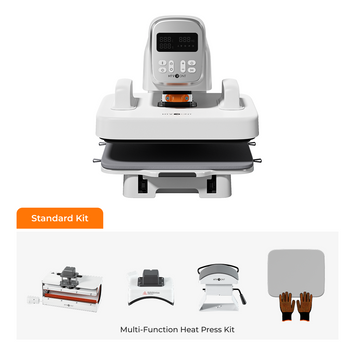
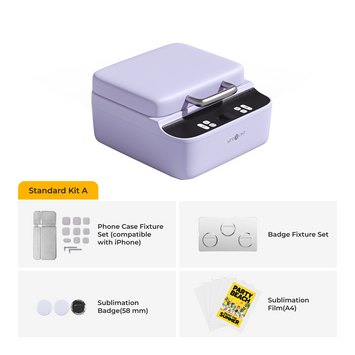
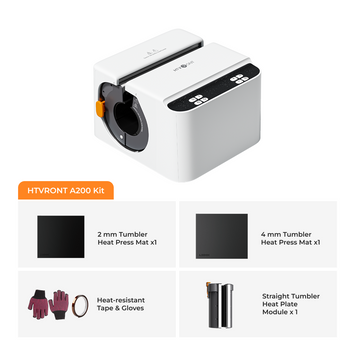
Sublimation is one of those crafts that looks effortless online—then you try it once and suddenly you're negotiating with ghosting, faded blacks, and that mysterious "why is it yellow?" haze. This sublimation troubleshooting guide covers the most common sublimation problems and solutions, so you can diagnose and fix issues fast. The good news is most failures come from a handful of predictable issues: mismatched blanks, moisture, shifting paper, uneven pressure, and inconsistent settings. Below are ten things you'll want locked in before you fire up your heat press, whether you're pressing shirts, tumblers with a tumbler heat press, or small hard goods with a phone case heat press. If something goes wrong, work through these in order: blank → moisture → pressure → time/temp → color management. Most failures are resolved before you even reach the settings stage.
Let's start with the most fundamental mistake—one that isn't even a printing problem at all.
1. Make Sure Your Blank Is Actually Sublimation‑Ready
A surprising number of "bad prints" aren't printing problems—they're blank problems. Sublimation only bonds to polyester fibers or polymer‑coated surfaces, and using the wrong blank guarantees failure regardless of your technique.
A question that comes up often: why is my sublimation print dull after pressing? In most cases, it's not the ink—it's the blank. If your polyester content is too low or the coating is inconsistent, the dye has nowhere to bond.
What you'll see
- Colors look dull, gray, or washed out
- The image doesn't feel permanent
- Certain areas won't take ink evenly
What to know
-
Fabric: Sublimation bonds best to polyester. Higher poly content = stronger, brighter results.
-
Tumblers/mugs: You need a poly‑coated sublimation blank. Stainless steel alone won't hold sublimation ink properly. Check out our tumbler heat press collection for compatible blanks.
-
Other hard goods: Metal, glass, and ceramic still need the right coating.
Quick tip
Stick with a consistent blank supplier—and even the same product line—once you find one that presses well. Coatings vary more than people think, and switching suppliers is a common trigger for sudden quality drops.
Even with the right blank, what you see on your screen rarely matches what comes out of the press. Here's why.
2. Color on Your Screen Is Not Color on Your Blank
Sublimation color issues are usually color‑management problems, not "bad ink." Without the right ICC profile and a consistent output workflow, your vibrant digital design can emerge dull, muddy, or with an unexpected color cast.
Common mistakes
- No ICC profile—or the wrong one for your ink + sublimation paper combination
- Double color management—both the software and printer "correcting" color simultaneously
- Designing in RGB and exporting without thinking about output
Quick tips
- Choose one color manager: either your design app or the printer driver—not both.
- Keep your system consistent: printer + ink + sublimation paper + ICC profile as a matched set.
- Make a small "color strip test" and press it anytime you change paper, blanks, or settings.
📖 Want to master sublimation paper?
Color management dialed in? Great. Now let's tackle the silent killer of sharp transfers: moisture.
3. Pre‑Pressing Isn't Optional—It's Moisture Control
Moisture is the silent killer of sharp, vibrant sublimation. A quick pre‑press removes trapped humidity from fabric and brings hard goods to a stable temperature, preventing the hazy, patchy results that plague beginners.
Many beginners ask: should I pre‑press my shirt before sublimation? The answer is yes—every single time. Skipping this step is one of the most common causes of hazy, faded prints.
What moisture causes
- A hazy, foggy look—especially on fabric
- Patchy color or soft edges
- Random light spots scattered across the design
Easy‑to‑miss errors
- Skipping a quick pre‑press on shirts
- Wrapping a tumbler right after washing it—the surface looks dry, but isn't
Quick tips
-
Shirts: Pre‑press 3–10 seconds, then let steam dissipate before placing the transfer.
-
Hard goods: Wipe dry and let the blank come to room temperature before taping on your print.
Moisture under control. But even a perfectly dry setup can be ruined by the tiniest movement.
4. Paper Shift Creates Ghosting—Fast
If your transfer moves even a hair during heating, you'll get a shadow or duplicate effect called ghosting. This ghosting fix is simple but requires attention to detail—generous taping, even tension, and careful handling when loading the press.
Why it happens
- Not enough heat‑resistant tape
- Uneven wrap tension on curved items
- Bumping the wrap when closing the press or loading a press sleeve
Quick tips
- Tape the transfer securely—especially edges that want to lift.
- For tumblers, keep even tension around the curve; avoid "tight on one side, loose on the other."
- Shrink wrap can help stabilize the transfer if you're not using a dedicated tumbler heat press.
Paper locked down. Now let's talk about the force holding it all together—pressure.
5. Pressure Is Not "The More the Better"
Pressure problems show up differently depending on the item: light edges signal poor contact, blotchy areas point to uneven pressure, and press marks on fabric mean you've gone too far. The goal is snug, even contact—not maximum force.
What you'll see
- Light edges—poor contact between paper and substrate
- Blotchy areas—uneven pressure distribution
- Press marks on fabric—too much pressure or the wrong pad setup
Quick tips
-
Heat press for shirts: Medium pressure usually works best, with a flat, level platen.
-
Tumbler heat press: The goal is snug, even contact all the way around—not crushing force.
-
Phone case heat press: Use the correct insert/pad so the case sits flat; uneven contact is the #1 reason for faded corners.
Pressure dialed in. Now for the settings that determine how the ink actually behaves.
6. Don't Blindly Copy Time and Temp—Calibrate Your Setup
Settings you find online are a starting point, not a guarantee. Every press runs slightly differently, and small adjustments based on what you actually see are what separate consistent results from constant frustration.
Common symptoms
-
Yellowing/scorching: Too hot or too long
-
Faded image: Too cool, too short, or poor contact
-
Blurred details: Overheating can cause dye to over‑migrate
Quick tips
- Adjust one variable at a time—temperature or time, never both simultaneously.
- Keep notes: blank type, paper, temp, time, pressure, and results for every project.
- Use a consistent warm‑up routine so your heat press reaches stable temperature before "real" presses.
⏱️ Need exact settings for specific projects?
Settings calibrated. But there's an invisible threat that can contaminate your next project.
7. Protect Your Press from Vapor—and Protect Your Next Project
Sublimation turns ink into gas. That gas will happily redeposit onto your platen, pad, or pillow—and from there, ghost onto your next garment. Clean protective paper replaced every single press is the cheapest insurance against this.
Easy mistake
Skipping protective sheets and contaminating the platen, pad, or pillow with invisible ink residue.
What happens next
Your next press gets faint shadows, random tinting, or "mystery smears" that seem to come from nowhere.
Quick tips
- Use clean protective paper above and below your transfer—copy paper or butcher paper works well.
- Replace it every press. This is not the place to be thrifty.
- If you ever see ink on your protective sheet, assume vapor is escaping and check your wrap and tape.
Press protected. Now let's zoom in even closer—to the surface of your blank itself.
8. Surface Prep Matters More Than You Think—Especially for Tumblers
Finger oils, dust, and manufacturing residue create tiny "no‑ink zones" that appear as pinholes, white specks, and fish‑eye spots. A quick wipe with isopropyl alcohol and handling by the edges eliminates this entirely preventable issue.
What you'll see
- Pinholes, white specks, "fish‑eye" spots scattered across the design
- Areas where color looks rejected or refuses to bond
Quick tips
- Wipe hard goods with a lint‑free cloth and isopropyl alcohol immediately before pressing.
- Wear gloves or handle blanks by the edges only.
- Inspect under good light right before taping on the print—what you can't see will still show up in the final result.
Surface prepped and clean. But some designs are naturally harder to pull off than others.
9. Design for Sublimation Realities: Tiny Text and Heavy Black Are Tricky
Ultra‑thin lines, tiny fonts, large solid black areas, and super‑saturated neon colors are all higher‑risk design choices in sublimation. A few adjustments—slightly thicker text, rich charcoal instead of pure black, and proper resolution—dramatically improve reliability.
Designs that expose problems
- Ultra‑thin lines and tiny fonts that blur or break up during transfer
- Large solid black areas that show unevenness or color shift
- Super‑saturated neon colors that fall outside the practical printable gamut
Quick tips
- Slightly thicken small text and linework before printing.
- Consider using a rich dark or very dark charcoal rather than demanding "perfect pure black."
- Output at 300 DPI at final size—don't upscale after the fact.
Design considerations sorted. Finally, let's wrap up with the small daily habits that make everything else work.
10. Five Small Habits That Noticeably Improve Results
These are the boring little steps that make your work look professional: test strips, locked variables, moisture control, movement prevention, and documented settings. Together, they turn sublimation from guesswork into a repeatable process.
-
Press a small test strip whenever you change blanks, settings, or sublimation paper.
-
Lock your variables: same paper, same ink, same profile, same blank type.
-
Control moisture: pre‑press fabric; fully dry and degrease hard goods.
-
Prevent movement: tape well, keep tension even, and handle gently during loading and unloading.
-
Document your winning recipes: time, temperature, and pressure for each product—shirts, tumblers, phone cases.
Pre‑Press Quick Checklist
- ✅ Blank confirmed sublimation‑ready?
- ✅ Surface cleaned with isopropyl alcohol?
- ✅ Fabric pre‑pressed 3–10 seconds?
- ✅ Paper taped securely on all edges?
- ✅ Protective sheet replaced since last press?
- ✅ Settings documented for this blank type?
Frequently Asked Questions
Why does my sublimation print look faded even though I followed the settings?
Faded prints are almost always caused by one of three things: insufficient polyester content in your blank, moisture that wasn't removed with a pre‑press, or your heat press temperature reading is inaccurate. Try a higher‑poly blank, always pre‑press fabric, and verify your press temperature with an external thermometer.
How do I stop ghosting on my sublimation prints?
Ghosting happens when the transfer paper moves during pressing or is peeled incorrectly. Use heat‑resistant tape generously at all edges, avoid bumping the press when closing it, and always hot peel—remove the paper while it's still warm. For tumblers, shrink wrap can help stabilize the paper on curved surfaces.
Why do I see yellow spots or scorch marks after pressing?
Yellowing or scorching means the temperature is too high or the press time is too long. Reduce your temperature by 5–10°F and try again. Also check that your protective sheet is clean and replaced every press—contaminated sheets can transfer residue that looks like scorching.
Do I really need to test press every time I change something?
Yes. A test strip on a scrap piece of the same blank takes a few extra minutes but can save you from ruining an entire batch. Anytime you switch blanks, paper, ink, or settings, run a small test first. It's the single habit that most reliably separates consistent results from constant frustration.
The Takeaway
The bottom line: Most sublimation failures trace back to three root causes—wrong blank, trapped moisture, or paper movement. Fix those three, and your success rate jumps dramatically before you ever touch a setting.
Great sublimation results aren't magic—they're repeatability. Once you treat sublimation heat pressing like a controlled process—right blank, clean surface, stable contact, consistent color management, and well‑tested settings—your success rate climbs fast. Whether you're using a standard heat press for shirts, dialing in a tumbler heat press for wraps, or fine‑tuning a phone case heat press for small hard goods, these ten checkpoints prevent the most common mistakes before they happen.


 Cart Unlocks Add-On Deals