Introduction
Puff vinyl is a unique type of heat transfer vinyl (HTV) that expands when heated, creating a raised, 3D effect that adds texture and dimension to your designs. It's widely used on apparel, accessories, and other items, offering a bold and eye-catching look.
To achieve the best results, proper application is essential. In this guide, we'll walk you through the process step by step—from choosing the right materials to mastering the critical hot peel technique—and share tips to avoid the most common mistakes so you can achieve perfect, professional-looking puff every time.
1. What is Puff Vinyl?
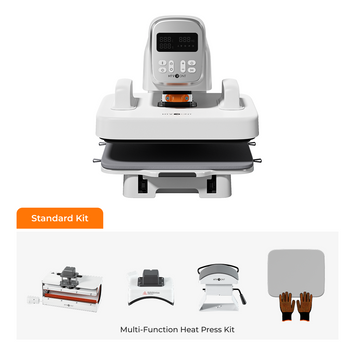
Puff vinyl is a special type of HTV that expands and creates a 3D, puffy effect when exposed to heat. Ordinary heat press, portable T-shirt Press, Mini heat press can heat Puff vinyl. This material works best on T-shirts, hoodies, tote bags, and other fabrics.
It's ideal for simple, bold designs like text, logos, or shapes. However, due to its expanding nature, puff vinyl is not suitable for intricate or highly detailed designs, as the puffing process can make fine details less defined.
Now that you know what puff vinyl is and what it's best suited for, let's gather the right supplies. Having everything on hand before you start will save you from scrambling mid-project.
2. Materials You'll Need
Before you get started, make sure you have the following materials ready:
-
Puff Vinyl: Choose high-quality puff vinyl in your preferred color.
-
Garment: Cotton, polyester, or cotton/poly blends work best with puff vinyl.
-
Heat Press: A reliable heat press machine with adjustable temperature, time, and pressure settings.
-
Weeding Tool: For removing excess vinyl from your design.
-
Cutting Machine: Use a cutting machine like Cricut, Silhouette, or our HTVRONT cutting machine (iCraft) to cut your design into the puff vinyl.
-
Heat-Resistant Tape (optional): To secure the vinyl in place.
-
Teflon Sheet or Parchment Paper: To protect your garment and heat press.
With your toolkit assembled, let's walk through the full process—from your first cut to that satisfying moment when the carrier sheet peels away and the 3D magic appears.
3. Step-by-Step Guide to Heat Press Puff Vinyl
Step 1: Design and Cut
Start by creating your design using compatible design software, such as Cricut Design Space, Silhouette Studio, or our IdeaStudio. If you're using our HTVRONT Vinyl Cutter (iCraft), we highly recommend using our exclusive IdeaStudio app, which is specifically optimized for our devices, ensuring a smoother design and cutting experience.
Keep your design simple and bold, as puff vinyl doesn't work well with intricate details. Once your design is ready, load the puff vinyl into your cutting machine with the shiny side (carrier sheet) facing down.
Adjust your cutting machine settings to suit puff vinyl. While settings may vary by brand, a standard HTV setting generally works well. Always perform a test cut to ensure accuracy. After cutting, use a weeding tool to remove the excess vinyl, leaving only the design.
Step 2: Prepare Your Garment
Lay your garment flat on the heat press platen. Preheat the fabric for 2–3 seconds to remove any wrinkles or moisture, as these can affect the adhesion of the vinyl. This step ensures a smooth surface for the heat transfer process.
Step 3: Position the Puff Vinyl
Place your design on the garment with the carrier sheet facing up. Use a ruler or alignment tool to ensure proper placement. If needed, secure the vinyl with heat-resistant tape to prevent it from shifting during pressing.
Step 4: Set Your Heat Press
Proper heat press settings are crucial for achieving the puff effect. While settings may vary depending on the brand of puff vinyl, we recommend the following as a general guideline:
-
Temperature: 280–320°F (140–160°C)
-
Time: 8–12 seconds
-
Pressure: Medium to high
Be sure to check the specific instructions for the puff vinyl you're using to avoid under- or overheating.
Step 5: Heat Press and Hot Peel
Cover the puff vinyl with a Teflon sheet or parchment paper to protect both the vinyl and your garment. Close the heat press and apply the recommended pressure for the specified time. As the heat activates the puff vinyl, you'll notice it begin to expand and create the signature 3D effect.
Puff vinyl requires hot peeling, meaning you should remove the carrier sheet immediately after pressing while it's still hot. This is an essential step because the puffing process relies on high heat. If the carrier sheet is left on too long, it will continue to transfer heat to the vinyl, causing it to over-puff. Over-puffing can distort the design and compromise adhesion, especially on small details or fine lines, which may pull away from the fabric. This can lead to poor durability and washing issues.
You've got the core process down. Now let's lock in a few habits that make the difference between a decent puff and a flawless, professional one.
4. Pro Tips for Success
-
Always Test First: Perform a test cut and heat press on a scrap piece of fabric to ensure your settings are correct.
-
Avoid Overheating or Overpressing: Excessive heat or pressure can flatten the puff effect or distort the design.
-
Hot Peel is Key: Peel the carrier sheet immediately after pressing to prevent over-puffing.
-
Stick to Simple Designs: Puff vinyl works best with bold, simple designs. Avoid intricate details, as they may not puff evenly.
-
Care Instructions: To preserve your design, turn the garment inside out before washing, use a gentle cycle, and avoid high heat when drying.
Even with the best technique, a few common slip-ups can undo all your careful work. Here's what to watch for—and how to avoid each one.
5. Common Mistakes and How to Avoid Them
-
Incorrect Temperature Settings: Puff vinyl requires specific temperatures to activate the puff effect. Too low and it won't puff; too high and it may melt or distort.
-
Not Peeling Immediately: Leaving the carrier sheet on too long after pressing can cause over-puffing, which may ruin the design.
-
Skipping Preheating: Wrinkles or moisture in the fabric can prevent the vinyl from adhering evenly.
-
Uneven Pressure: Uneven or incorrect pressure can impact the puff effect and overall adhesion.
When done right, the results speak for themselves. Here's why crafters and small businesses keep reaching for puff vinyl to elevate their creations.
6. Why Choose Puff Vinyl?
Puff vinyl is a creative way to elevate your designs. It adds texture and dimension that traditional flat HTV can't achieve. Whether you're creating custom apparel for personal use, gifts, or small business projects, puff vinyl is an excellent choice to make your designs stand out.
7. Frequently Asked Questions
Why didn't my puff vinyl puff up properly?
Insufficient puffing is usually caused by temperature that's too low or pressing time that's too short. Puff vinyl needs consistent heat—typically 280–320°F for 8–12 seconds—to activate the expanding agents in the material. Double-check your heat press settings and make sure the platen is fully preheated before pressing. A test press on scrap fabric is always recommended when working with a new brand of puff vinyl.
What happens if I don't hot peel puff vinyl?
If the carrier sheet is left on after pressing, residual heat continues to transfer into the vinyl, causing over-puffing. This can distort your design, make fine details look blobby, and weaken the adhesive bond—leading to peeling after washing. Always peel the carrier sheet immediately while it's still hot to lock in the right amount of puff.
Can I layer puff vinyl with other HTV types?
Puff vinyl is best used as the topmost layer in any design. Because it expands and creates a textured surface, placing other vinyl on top of it usually results in poor adhesion and a messy finish. If you want to combine puff with other elements, apply the flat HTV first, then add puff vinyl as the final layer on top.
What fabrics work best with puff vinyl?
Cotton, polyester, and cotton/poly blends all work well with puff vinyl. The key is a smooth, flat surface—avoid heavily textured fabrics like terry cloth or thick knit sweaters, as the uneven surface can prevent the adhesive from bonding evenly and may cause the puff effect to look patchy.
How do I wash garments with puff vinyl?
Turn the garment inside out, wash in cold or warm water on a gentle cycle, and avoid high heat in the dryer. Air drying is best for preserving the raised texture. Avoid fabric softeners and bleach, which can weaken the adhesive bond over time. Wait at least 24 hours after pressing before the first wash to allow the adhesive to fully cure.
8. Conclusion
Heat pressing puff vinyl is a straightforward process, but attention to detail is critical for achieving the best results. By following the proper heat press settings and peeling the carrier sheet while hot, you can create professional-grade 3D designs.
Our puff vinyl is designed to add unique creativity and style to your heat transfer projects, making your designs more eye-catching than ever. With practice and the steps outlined above, you'll master the art of puff vinyl in no time!


 Cart Unlocks Add-On Deals