Introduction
Playing cards are not just for games—they can also serve as the perfect canvas for creative DIY projects. With a mini heat press, you can easily transfer your own designs onto playing cards, creating personalized and unique decks. Whether it's a custom gift, a promotional item, or just a fun crafting project, this guide walks you through the entire process. By incorporating tools like heat transfer vinyl, a vinyl cutter, and even a DTF printer, you'll be able to create professional‑looking DIY playing cards at home.
Let's start by gathering everything you'll need before the first press.
Step 1: Gather Your Tools and Materials
A successful DIY playing card project starts with the right equipment. You'll need a mini heat press for the transfer, a vinyl cutter or DTF printer for your designs, heat transfer vinyl or DTF transfer film for the artwork, and high‑quality plastic‑coated playing cards that can handle the heat without warping.
Tools and Equipment
-
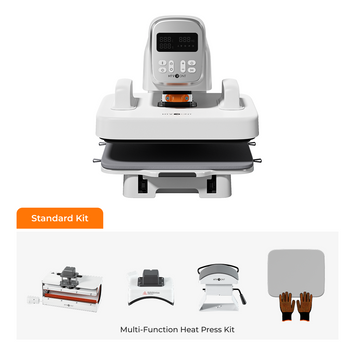
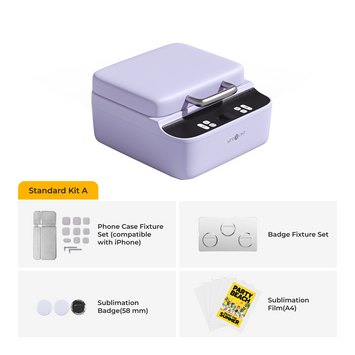
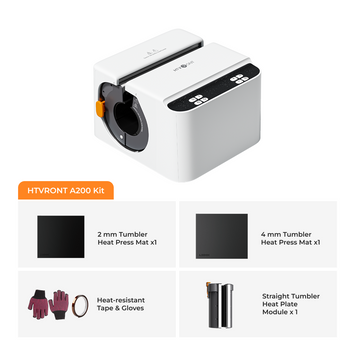
Mini Heat Press: A compact and portable tool perfect for small‑scale heat transfer projects like customizing playing cards. Its small platen gives you precise control over each card.
-
Heat Press or T‑Shirt Press (Optional): While a mini heat press is ideal for small projects, a larger T‑shirt press can also be used if you're working on multiple cards at once.
-
Vinyl Cutter: A vinyl cutter is essential for cutting out your designs from heat transfer vinyl or other transfer materials with precision.
-
Heat Transfer Vinyl (HTV): This material is designed for heat transfer projects and works well for simple, bold designs. Specialty options like glitter or metallic HTV can add a fun touch to your cards.
-
DTF Printer (Optional): If you want full‑color, highly detailed designs with gradients or photographic quality, a DTF printer is an excellent option. It allows you to print directly onto a transfer film, which can then be applied to your cards.
-
Scissors or Craft Knife: Use these to trim your transfer materials to the size of your playing cards.
-
Heat‑Resistant Tape: This tape helps secure your transfer material to the playing card during the pressing process, ensuring it doesn't shift or move.
-
Silicone Mat or Heat‑Resistant Pad: A mat will protect your work surface from heat damage during the transfer process.
Materials
-
Playing Cards: Choose high‑quality playing cards with a smooth, heat‑resistant surface. Plastic‑coated cards or laminated cards work best—avoid cheap paper cards that may warp or discolor under heat.
-
Custom Designs: Create your designs using software like Adobe Photoshop, Illustrator, or Canva.
🛠️ New to heat pressing? Here's your complete walkthrough:
With your tools assembled, the real creative work begins—designing your custom deck.
Step 2: Design Your Playing Cards
The design phase is the most creative and fun part of the process. Choose a theme, set your dimensions to the standard 2.5 × 3.5 inches, create your artwork in design software, and remember to mirror your design before cutting or printing—this ensures it reads correctly after transfer.
1. Choose a Theme
Decide on a theme for your custom playing cards. Some ideas include personalized gifts with names, photos, or meaningful messages; brand promotion with your company's logo or tagline; or creative fun using cartoon characters, movie themes, or funny quotes.
2. Set the Dimensions
Standard playing cards are approximately 2.5 × 3.5 inches (63mm × 88mm). Make sure your design fits within these dimensions, leaving a small margin to avoid cutting off any important elements.
3. Create Your Design
For simple designs, use heat transfer vinyl and cut your shapes or text with a vinyl cutter. For more complex, colorful designs with gradients or photographic images, use a DTF printer to print directly onto a transfer film.
4. Mirror Your Design
If you're using heat transfer vinyl or a DTF printer, remember to mirror your design before printing. This ensures that the final image appears correctly when transferred to the playing card.
Design ready. Now for the moment of truth—transferring it onto the card.
Step 3: Transfer Your Design
The transfer process follows a clean seven‑step sequence: prepare the cards by cleaning the surface, cut your transfer material to size, secure it with heat‑resistant tape, set your heat press to 300–320°F for 10–15 seconds, press with even pressure, cool briefly and peel, then let the card cool completely before handling.
1. Prepare the Cards
Lay the playing card flat on your work surface and clean the surface to remove any dust or oils that could interfere with the transfer process. A quick wipe with a lint‑free cloth and isopropyl alcohol works well on plastic‑coated cards.
2. Cut the Transfer Material
Trim your heat transfer vinyl or DTF transfer film to match the size of your playing card. Make sure the design fits perfectly on the card without any overhang.
3. Secure the Design
Place the transfer material on the playing card with the design facing down. Use heat‑resistant tape to hold the material in place—this prevents shifting during pressing, which is the #1 cause of ghosting on small items.
4. Set Up the Mini Heat Press
Turn on your mini heat press and set it to the appropriate temperature and time. For most heat transfer vinyl, a temperature of 300–320°F (150–160°C) and a pressing time of 10–15 seconds works well. If you're using a DTF printer, follow the specific instructions for your transfer film and adhesive powder.
5. Press the Design
Place the playing card on a silicone mat or heat‑resistant pad. Use the mini heat press to apply even pressure over the design for the specified time. Avoid rocking or sliding the press—straight, even pressure gives the cleanest result.
6. Peel Off the Transfer Material
Allow the card to cool for a few seconds. Then, carefully peel off the transfer material to reveal your design. For HTV, a cold peel usually gives the crispest edges. If the design hasn't fully transferred, repeat the pressing process for a few more seconds.
7. Finishing Touches
Let the card cool completely before stacking or handling it. For added durability, consider applying a clear protective coating to the card.
Now that you've mastered the basic process, here are some tips to make every card look professional.
Step 4: Tips and Tricks
-
Temperature and Time: Always follow the recommended temperature and pressing time for your transfer material. Too much heat can warp the playing card, while too little heat may result in incomplete transfers.
-
Material Compatibility: Use high‑quality playing cards with a smooth, heat‑resistant surface. Avoid cheap paper cards, as they may warp or discolor during the heat transfer process.
-
Start Simple: If you're new to using a mini heat press, start with simple designs and basic heat transfer vinyl before attempting more complex projects with a DTF printer.
-
Test First: Test your design and transfer process on a spare card before working on the entire deck. This helps you fine‑tune the temperature, time, and pressure settings without wasting your best materials.
Creative Applications
DIY playing cards can be used for far more than games. They make thoughtful personalized gifts with family photos, unique promotional items that stand out at trade shows, educational tools for teaching letters and numbers, and themed party favors that guests will treasure as keepsakes.
Increase the Lifespan of DIY Playing Cards
To keep your custom cards looking fresh, apply a plastic lamination film for water resistance, use high‑quality HTV or DTF film for better adhesion, add a clear protective coating to prevent scratches, store them in a dry place away from heat, use protective card sleeves for frequently handled decks, clean gently with a damp cloth on plastic‑coated cards, minimize friction during use, and refurbish worn cards by re‑applying designs or re‑laminating.
1. Apply a Plastic Lamination Film
Applying a thin layer of transparent plastic film to the surface of your playing cards can effectively prevent wear and tear while also making them water‑resistant. If your DIY cards are meant to be gifts, laminating them improves durability and makes the gift look more polished. Use a laminating machine for even application, or manually apply pre‑cut adhesive laminate sheets, making sure to avoid air bubbles.
2. Use Durable Materials
Select high‑quality, smooth, and heat‑resistant plastic‑coated cards—they're more durable than regular paper‑based cards. Premium HTV or DTF transfer film ensures better adhesion and prevents peeling or fading of your designs over time.
3. Add a Clear Protective Coating
Applying a clear protective coating helps prevent scratches, fading, and water damage. Use a clear spray paint designed for paper or plastic surfaces and apply an even layer, letting the cards dry completely before use. A UV‑cured clear coating adds extra protection and is especially beneficial for professional‑grade playing cards.
4. Avoid Humidity and High Temperatures
Store your cards in a dry place and avoid exposing them to water or high humidity. Resealable plastic bags with silica gel packets help reduce moisture. Avoid leaving your cards in direct sunlight or near heat sources, as excessive heat can cause warping or fading.
5. Use Protective Card Sleeves
Invest in clear plastic card sleeves—individual sleeves protect each card's edges and surface from wear and tear, while deck boxes prevent bending and external damage for the entire set.
6. Clean Your Cards Properly
For plastic‑coated cards, gently wipe the surface with a damp cloth. Avoid using too much water or harsh chemicals. For paper cards, use a clean eraser to remove dirt or smudges—do not use water, as it may cause the cards to warp or tear.
7. Minimize Friction
Avoid using the cards on rough or abrasive surfaces. Place a soft tablecloth or mat on the playing surface to minimize direct contact with hard surfaces and reduce wear over time.
8. Refurbish Old Cards
If your playing cards are already worn out, you can try refreshing them. Reapply designs using heat transfer vinyl or a DTF printer to cover faded or damaged areas. Add a new layer of protective plastic lamination film to restore the smoothness and durability of older cards.
Frequently Asked Questions
Can I use regular paper playing cards with a heat press?
It's not recommended. Regular paper cards are likely to warp, discolor, or even burn under the heat required for HTV or DTF transfers. Always use high‑quality plastic‑coated or laminated playing cards designed to withstand heat. Test a single card first before committing to a full deck.
What's the best transfer method for intricate, full‑color designs?
A DTF printer is the best choice for intricate, full‑color designs with gradients or photographic quality. It prints directly onto a transfer film, which is then applied to the card. HTV is better suited for bold, simple graphics with solid colors and crisp edges.
How do I prevent my playing cards from warping during pressing?
Three things help prevent warping: use plastic‑coated cards that can handle heat, keep the pressing time to the minimum recommended (10–15 seconds for HTV), and let the card cool completely on a flat surface before handling. If warping occurs, placing the card under a heavy book for a few hours can help flatten it.
Do I need to mirror my design when using HTV on playing cards?
Yes. HTV is cut with the design facing up on the carrier sheet, then placed face‑down onto the card for pressing. Mirroring ensures the design reads correctly after transfer. The same applies to DTF transfers—always check your printer settings before printing.
Conclusion
Making DIY playing cards with a mini heat press is a fun and creative project that anyone can try. With the right tools—such as a heat press, T‑shirt press, vinyl cutter, heat transfer vinyl, or DTF printer—you can create stunning, professional‑quality designs that are perfect for gifts, promotions, or personal use. Whether you're crafting a single deck for a special occasion or producing custom cards for your business, the process is simple, rewarding, and full of creative possibilities. So grab your mini heat press and start designing your own unique deck of cards today.


 Cart Unlocks Add-On Deals