Introduction
Mistakes happen: a crooked letter, the wrong size, a misaligned logo. The good news is that heat—used wisely—can also be your eraser. With a heat press, you can lift heat transfer vinyl (HTV) cleanly and give your shirt a second chance.
This guide walks you through a step-by-step removal method, from gathering the right tools to tackling stubborn residue and special cases like glitter and layered designs. By the end, you'll know exactly how to erase the mistake and press play on a clean, confident finish—without damaging your fabric or your patience.
1. What You'll Need
- Heat press with precise temp and time control
- Heat-resistant tweezers or a weeding hook
- Lint-free cloth or paper towels
- Fabric-safe adhesive remover (HTV-friendly, optional)
- Isopropyl alcohol (70%–90%, optional)
- Teflon sheet or parchment paper
- Pressing pillow or folded towel (to even out seams/buttons)
Safety note: Work in a ventilated area. Hot vinyl can release fumes. Keep fingers clear of the platen and use tools, not nails.
Tools gathered. Before you touch that press, the numbers matter more than anything—let's lock in the right temperature, time, and pressure for your specific fabric.
2. Temperature, Time, and Fabric Basics
-
Cotton: 290–320°F (145–160°C) is a safe starting range
-
Cotton/poly blends: 285–305°F (140–150°C)
-
Polyester: 270–290°F (132–143°C) to reduce scorch or shine
-
Time: Short bursts (5–10 seconds) beat long, hot soaks
-
Pressure: Light to medium. Too much pressure drives adhesive deeper
Think of heat like a key: soften the adhesive just enough to unlock it—then lift. Linger too long and it bites deeper into the fibers.
Settings dialed in. Now let's walk through the removal process step by step—patience here is what separates a clean lift from a damaged shirt.
3. Step-by-Step Removal Method
-
Preheat and Prep
- Set the press at the low end of your fabric's safe range.
- Place a pressing pillow under the area for even pressure.
- Cover the graphic with a Teflon sheet for smoother heat transfer.
-
Soften in Short Pulses
- Press for 5–8 seconds, then lift the platen quickly.
- Aim for warm and pliable—not melted.
-
Lift an Edge
- While warm, use tweezers to catch a corner of the HTV.
- Peel gently at a low angle (about 20–30°). Slow is key.
-
Work in Sections
- Reheat the next area for another 5–8 seconds, then peel.
- Think zipper: small sections, steady rhythm.
-
Tackle Residue
- If adhesive remains, let the area cool slightly.
- Dab a small amount of HTV-safe adhesive remover or isopropyl alcohol on a cloth; gently rub the residue.
- Reheat for 3–5 seconds and wipe again. Alternate heat and gentle solvent to coax the glue out—don't flood the fabric.
-
Finish and Reset
- Once clear, place a clean cloth over the area and press for 3–5 seconds to "reset" the fibers.
- If reapplying a new design, let the fabric rest 2–3 minutes before pressing.
You've got the core method down. Now let's refine it with a few pro-level techniques that make the difference between a decent lift and a flawless one.
4. Pro Tips for a Cleaner Lift
-
Warm peel vs. hot peel: Start warm. If the vinyl tears, cool it slightly; cooler adhesive can fracture and release.
-
Direction matters: Peel with the grain of the fabric when possible for cleaner edges and less distortion.
-
Gentle tension: Keep the fabric slightly taut as you peel to reduce puckering.
-
Erasing "ghosts": A light mist of alcohol, then a brief warm press under a Teflon sheet, often clears faint adhesive shadows.
-
Color guard: On dark polyester, use a pressing cloth to avoid heat shine.
Even with great technique, a few common slip-ups can turn a quick fix into a struggle. Here's what to avoid.
5. Common Mistakes to Avoid
-
Overheating: Long presses bake adhesive deeper, turning a 5-minute fix into a 50-minute struggle.
-
Yanking: High-angle, fast pulls stretch fibers and create shiny spots.
-
Too much solvent: Saturation spreads adhesive. Use pinpoint dabs, then heat and blot.
-
Ignoring height differences: Without a pillow, uneven pressure leaves cold spots that won't release.
Standard HTV removal is one thing. But what about the tricky stuff—glitter, layered designs, old cracked vinyl? Here's how to handle those special cases.
6. Special Cases
-
Glitter HTV: Tougher binder. Use the low end of cotton temps and add more short cycles. Expect a few stubborn sparkles; target them with tweezers after brief reheats.
-
Layered designs: Remove the top layer first. Each layer shields the one below; slow peeling keeps the stack from shredding.
-
Old, cracked HTV: Micro-fractures help—go slightly cooler and let the cracks "walk" up as you peel.
The right technique is half the equation. The other half is having the right machine for the job—here are two HTVRONT presses purpose-built for precise, controlled HTV removal.
7. Which HTVRONT Heat Press Machine Is Best for This Job
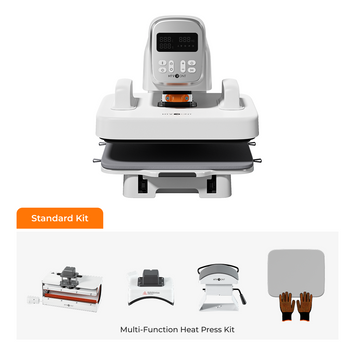
If you want both flexibility and control while removing HTV, two HTVRONT options stand out: the Mini Heat Press and the H10 Portable T-shirt Press. Compared with larger, traditional presses, both are more agile, convenient, and easy to operate.
The Mini Heat Press is compact enough for precise spot heating, so you can target only the area you need without disturbing nearby transfers. The H10 Portable T-shirt Press features a dual-handle design for stable operation and real-time pressure readouts, giving you accurate control over the three essentials—temperature, time, and pressure—so you can lift HTV cleanly with less risk of fabric damage or adhesive shadows.
Sometimes, despite your best efforts, the fabric just won't cooperate. Here's how to know when to stop—and what to do instead.
8. When to Pivot Instead of Persist
If the fabric scorches, warps, or pills after a few attempts, it may not be salvageable. Consider a creative rescue: add a patch, applique, or pocket and turn a mishap into a design choice.
You've successfully removed the old design. Before you press anything new, run through this quick checklist.
9. Quick Checklist Before You Repress
- Surface smooth, no tackiness to the touch
- Fibers not shiny or flattened
- Area cooled to room temperature
- New design aligned; test-press a corner first
In the right hands, a heat press is both a paintbrush and an eraser. With measured heat, patient peeling, and a few small tools, you can rewind the mistake and press play on a clean, confident finish.
10. Frequently Asked Questions
Can I remove HTV from polyester without damaging the fabric?
Yes, but polyester requires extra care. Keep temperatures low—270–290°F (132–143°C)—and use the shortest effective press time. Polyester scorches easily and can develop shiny heat marks. Always use a Teflon sheet or pressing cloth as a barrier, and test on an inconspicuous area first if you're unsure about the fabric's heat tolerance.
What's the best temperature to remove HTV from cotton?
Start at the lower end of the cotton-safe range, around 290–300°F (145–150°C). If the adhesive isn't softening after a 5–8 second pulse, increase in small increments. The goal is warm and pliable, not hot enough to re-bond the adhesive deeper into the fibers.
How do I remove HTV residue after the vinyl is peeled off?
Let the area cool slightly, then dab a small amount of HTV-safe adhesive remover or 70–90% isopropyl alcohol onto a lint-free cloth. Gently rub the residue. Reheat for 3–5 seconds to soften any remaining adhesive, then wipe again. Alternate between brief heat and gentle solvent application—never flood the fabric, as excess liquid spreads the adhesive rather than removing it.
Can I reuse a shirt after removing HTV?
Yes. Once all vinyl and adhesive residue are removed and the fabric is clean and dry, the shirt is ready for a new design. Wait 2–3 minutes after the final "reset" press before applying new HTV to allow the fibers to cool and settle. The area should be smooth, non-tacky, and free of shine before you press again.
Why does my HTV tear into small pieces when I try to peel it off?
Tearing usually means the adhesive hasn't been softened enough, or the vinyl is being pulled at too steep an angle. Reheat the area for another 5–8 seconds and peel at a low angle (20–30°). If tearing persists, the HTV may be cold-peel type that releases more cleanly when cooled slightly. Let it rest for 10–15 seconds after heating, then try again.


 Cart Unlocks Add-On Deals