Introduction
If you've ever wanted to print your own designs on T‑shirts, mugs, or phone cases, sublimation paper is the magical tool that makes it all possible. Think of it as the fairy godmother of the crafting world—turning your creative ideas into vibrant, long‑lasting prints with just a little heat and pressure. But like any good magic trick, there's a method to the madness. To ensure your designs come out looking stunning, it's important to know how to use sublimation paper correctly. This guide walks you through everything you need to know, from the tools you need to the step‑by‑step process.
Let's start with the basics—what makes this special paper different from anything else in your craft room.
What Exactly Is Sublimation Paper?
Sublimation paper is a specially coated transfer medium that holds sublimation ink and releases it as a gas under heat and pressure, bonding the design permanently into polyester fabrics and polymer‑coated surfaces.
Sublimation paper isn't your average piece of paper—it's more like a superhero in disguise. It's specially coated to hold sublimation ink and release it when exposed to heat. When you apply heat and pressure, the ink transforms into a gas and bonds with the surface of your material. The result? A permanent, vibrant design that won't fade, peel, or crack. But here's the catch: sublimation only works on polyester fabrics and polymer‑coated surfaces. If you're thinking about printing on cotton or dark‑colored materials, sublimation will politely decline—this isn't its area of expertise.
📖 Want a deeper dive into how sublimation paper works?
Before you start printing, let's make sure you have all the right tools and supplies.
What Do You Need to Get Started?
A successful sublimation setup requires six essentials: a sublimation printer, sublimation ink, sublimation paper, a heat press, a polyester or polymer‑coated substrate, and heat‑resistant tape to keep everything in place.
-
Sublimation Printer: A regular printer won't cut it. You need a printer designed for sublimation, like an Epson EcoTank or Sawgrass printer, which uses special sublimation ink.
-
Sublimation Ink: This is the secret sauce—it's what makes the gas‑transfer process possible. Standard inkjet ink simply won't sublimate.
-
Sublimation Paper: The star of the show. Use high‑quality paper that matches your printer and ink for the best color release.
-
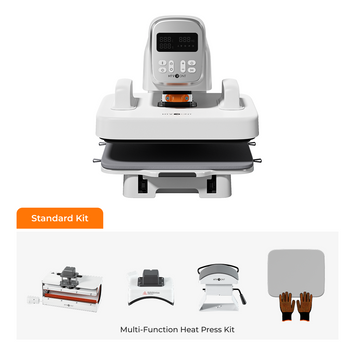
Heat Press Machine: Forget your household iron—a heat press provides the consistent heat and pressure needed for a flawless transfer.
-
Substrate: The item you're printing on—polyester shirts, mugs, coasters, and phone cases all work, but they must be polyester‑based or have a polymer coating.
-
Heat‑Resistant Tape: Keeps your sublimation paper locked in place during the transfer. Without it, your design might shift, and nobody wants a blurry masterpiece.
-
Protective Sheets: Parchment paper, Teflon sheets, or butcher paper protect your heat press from ink residue.
⏱️ Not sure about the right temperature and time settings?
Armed with your tools, let's walk through the full process step by step.
Step‑by‑Step Guide to Using Sublimation Paper
Step 1: Prepare Your Design
Create or choose your design using software like Adobe Photoshop, Canva, or CorelDRAW. Use a high‑resolution image—300 DPI or higher—for the sharpest results. And don't forget to mirror your design before printing, especially if it includes text. Skipping this step means your design will appear reversed on the final product.
Step 2: Print the Design
Load your sublimation paper into the printer with the coated side (usually the brighter side) facing up. Set your printer to high‑quality output and select the correct paper type. Let the ink dry completely before handling—patience here prevents smudging your hard work.
Step 3: Prep Your Substrate
Make sure your substrate is clean and ready. Use a lint roller to remove dust and fibers from fabrics, and wipe down hard surfaces with rubbing alcohol. A clean surface is essential for proper ink adhesion.
Step 4: Align the Sublimation Paper
Place the sublimation paper on your substrate with the printed side facing down. Secure it with heat‑resistant tape to prevent any movement during the transfer. Even a slight shift can cause ghosting or blurred edges.
Step 5: Heat Things Up
Preheat your heat press to the appropriate temperature and time for your substrate. Here's a quick reference:
-
Polyester fabrics: 375–400°F for 40–60 seconds.
-
Mugs: 350–400°F for 180–240 seconds.
-
Hard surfaces: 385–400°F for 60–90 seconds.
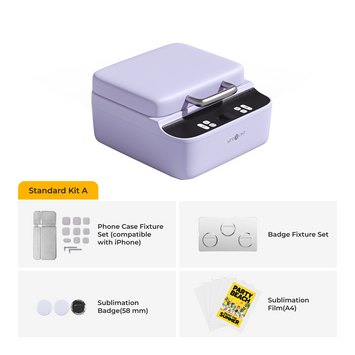
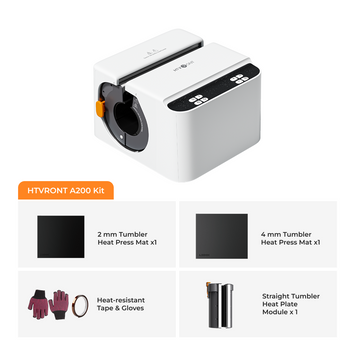
For curved surfaces like tumblers or mugs, a tumbler heat press or mug press ensures even pressure. For phone cases, a phone case heat press is your best bet for precision. Place your substrate in the press, close it, and apply firm, even pressure.
Step 6: The Big Reveal
Once the timer goes off, carefully open the heat press and remove your substrate—it's extremely hot, so use heat‑resistant gloves. Hot peel the sublimation paper while it's still warm to reveal your design. Take a moment to admire your work—you've earned it.
Now that you know the process, a few extra habits will take your results from good to great.
Pro Tips for Sublimation Success
-
Choose the Right Substrate: Sublimation works best on white or light‑colored polyester materials. Dark colors and cotton won't work—the ink simply won't show up or bond.
-
Test Before You Commit: Always run a test print before tackling a big project. It saves you from wasted materials and "oops" moments.
-
Keep Things Dry: Moisture is the enemy of sublimation. Store your paper in a dry place, and pre‑press fabrics for a few seconds to remove any trapped moisture.
-
Use High‑Quality Images: Low‑resolution images look blurry and pixelated after transfer. Start with crisp, high‑resolution artwork.
-
Clean Your Heat Press: Ink residue builds up over time and can transfer to future projects. Wipe down the platen regularly.
Troubleshooting Common Issues
-
Faded Colors: Usually caused by insufficient heat, pressure, or time. Double‑check your settings and ensure the substrate is polyester or polymer‑coated.
-
Blurry Designs: If your sublimation paper shifts during pressing, the design will blur. Secure it tightly with heat‑resistant tape at multiple points.
-
Uneven Transfers: Uneven pressure or a poorly leveled heat press can cause patchy results. Calibrate your press and apply even pressure across the entire surface.
📖 Running into other issues with your press?
Frequently Asked Questions
Can I use sublimation paper in a regular inkjet printer?
No. Sublimation requires a printer specifically designed for or converted to use sublimation ink. Regular inkjet printers use different ink formulations that won't sublimate, and the paper coating isn't compatible with standard ink.
Why do I need to mirror my design before printing?
The sublimation paper is placed face‑down on the substrate during pressing. Mirroring ensures the design reads correctly after transfer. Forgetting this step means text and images will appear reversed on the finished product.
Can I reuse sublimation paper?
No. Once the ink has been heat‑activated and transferred, the paper cannot be used again. It's a single‑use transfer medium—the coating releases the ink during the process and won't hold a second print.
What's the difference between sublimation paper and heat transfer paper?
Sublimation paper works by turning ink into a gas that bonds into polyester fibers or polymer coatings, leaving no texture. Heat transfer paper deposits a layer of film on top of the fabric, which can feel stiffer and may peel over time. Sublimation is permanent; heat transfer paper is a surface application.
Conclusion
Using sublimation paper is like learning a new superpower—it takes a bit of practice, but once you get the hang of it, the possibilities are endless. Whether you're customizing T‑shirts for your family reunion, creating personalized gifts, or starting a small business, sublimation gives you the tools to bring your ideas to life. So, gather your tools, fire up your heat press, and let your creativity run wild. And remember, if at first you don't succeed, try again—because even the best crafters started as beginners. Happy sublimating!


 Cart Unlocks Add-On Deals