Introduction
Imagine this: you've just finished pressing a bold, colorful design onto your favorite t-shirt. It's perfectly aligned, and you can't wait to see the final result. But then comes the big moment—should you peel the transfer sheet off right away, or wait for it to cool down? If you're unsure, welcome to the world of cold peel and hot peel—two essential techniques that can make or break your heat transfer project.
Let's dive in and get it right the first time.
The Magic of Heat Press Machines
Heat press machines are the unsung heroes of the DIY world. They transform ordinary t-shirts, mugs, phone cases, and tumblers into personalized works of art. By applying heat and pressure, they enable transfer sheets or heat transfer vinyl (HTV) to adhere to a variety of surfaces.
But here's the catch: not all transfer methods are the same. Some require immediate peeling while the surface is still hot, while others demand patience, waiting until everything cools down. Think of it like baking cookies—some are best enjoyed warm and soft right out of the oven, while others need time to firm up for the perfect bite. Cold peel is like the latter: a slower process that delivers crisp, flawless results.
What Is Cold Peel?
Cold peel is a heat transfer method where you wait for the surface to completely cool before peeling off the transfer sheet. It's a "slow and steady wins the race" approach, where patience pays off in the form of perfection.
Why is cooling so important? When the transfer cools down, the adhesive has time to fully bond with the fabric or material, ensuring every detail of your design adheres perfectly. This technique is particularly suited for complex designs, vibrant colors, and projects requiring high durability.
🧊 The Cold Peel Mindset: It's like waiting for a painting to dry completely. While you might be tempted to rush, waiting ensures your design won't have any cracks, smudges, or imperfections.
How to Cold Peel: Step by Step
While cold peel is simple, following these steps will help you avoid common mistakes and get consistently great results.
-
Press your design according to the manufacturer's instructions. Use the recommended temperature, time, and pressure. For most standard HTV, this is typically around 300°F – 320°F for 10–15 seconds.
-
Remove the garment from the press and place it on a flat, heat‑resistant surface. Do not peel anything yet. The carrier sheet will be hot, so handle it carefully.
-
Wait until the design is completely cool to the touch. This can take anywhere from 30 seconds to a couple of minutes depending on the material thickness and room temperature. Use the back of your hand to check—if it feels even slightly warm, give it more time.
-
Slowly peel the carrier sheet at a 45‑degree angle. Start from one corner and peel back smoothly, keeping the sheet close to the fabric. If you feel resistance or see the design lifting, stop and re‑press the area for a few more seconds, then let it cool again.
📌 Key Point: Cold peel requires patience, but the payoff is a perfectly bonded, durable design. If you're ever unsure whether the transfer is cool enough, wait another minute—it's always better to be safe than sorry.
Which HTV Vinyl Requires Cold Peel?
Choosing the right peeling method for your HTV is crucial. Here are the materials that typically require cold peel for optimal results:
Metallic HTV
This material needs to cool before peeling to ensure the metallic finish stays intact and doesn't crack or lift during the process.
Glitter HTV
Due to its textured surface, cold peeling ensures the glitter particles adhere securely to the fabric while maintaining their full sparkle.
Intricate or Layered Designs
For detailed or multi-layered designs, cold peel prevents edges from lifting or fine details from being lost, ensuring a flawless finish every time.
Which Materials Should NEVER Be Cold Peeled?
Some heat press materials are specifically designed for hot peel and should never be cold peeled. Here are two notable examples:
1. Puff HTV (3D Vinyl)
Why Hot Peel Is Necessary: Puff vinyl achieves its raised, textured effect by expanding under high temperatures. After pressing, the PET layer on the vinyl remains very hot and continues transferring heat to the vinyl. If not peeled immediately, this residual heat can cause over-expansion, negatively affecting the final puff effect.
Additionally, delicate designs like thin lines or small patterns may experience excessive upward pulling force during over-expansion, which can damage the adhesive bond between the vinyl and the fabric. This weak bond increases the likelihood of the design peeling off during washing.
⚡ Pro Tip: Always peel puff vinyl immediately after pressing to avoid over-puffing and ensure the adhesive remains strong.
2. Sublimation Paper
Why Hot Peel Is Necessary: Sublimation involves using heat and pressure to turn sublimation ink into gas, allowing it to penetrate the substrate. Once cooled, the ink solidifies, creating a permanent design. However, sublimation paper retains significant heat after pressing, and waiting for it to cool naturally can lead to two major issues:
-
Color Distortion: Cooling before peeling may affect the vibrancy and evenness of the sublimated colors.
-
Ghosting: During cooling, sublimation paper can shift slightly, causing double images or blurry designs.
⚡ Pro Tip: Peel sublimation paper while it's still warm to ensure accurate designs and vibrant colors.
Does DTF Printing Require Cold Peel?
DTF (Direct to Film) printing is a game-changer in the world of heat transfer. Using a DTF printer, this method involves printing designs onto a special film, applying adhesive powder, and then heat pressing the design onto fabric.
Generally speaking, most DTF materials are best cold peeled. Here's why:
-
Adhesive Powder Setting: During heat pressing, the adhesive powder needs time to cool and fully bond with the fabric. Peeling too soon can cause edges to lift or result in incomplete transfers.
-
Detail and Color Preservation: Cold peeling ensures every detail of the design remains intact and the colors stay vibrant.
-
Durability: Cold peel enhances the durability of the transfer, ensuring it withstands washing and regular wear.
That said, there are exceptions. Some DTF films are specifically designed for hot peel to accommodate quick production needs. Always check the manufacturer's instructions for your specific materials. If you're new to DTF printing, our DTF Printing Beginner's Guide is a great place to start.
Hot Peel vs. Cold Peel: The Heated Debate
Now let's compare the two techniques side by side so you know exactly when to use each one:
| Feature |
Hot Peel |
Cold Peel |
| Timing |
Peel immediately after pressing while still hot |
Wait until transfer has completely cooled |
| Speed |
Fast, ideal for quick projects |
Slower, requires patience |
| Best For |
Puff HTV, sublimation paper |
Metallic HTV, glitter HTV, intricate designs, DTF |
| Finish Quality |
Vibrant and bold |
Crisp, detailed, and durable |
| Risk Level |
Higher risk if timing is off |
More forgiving for beginners |
It's like choosing between instant coffee and slow-brewed espresso. Both have their merits, but the latter offers a richer, more satisfying experience—and cold peel is your slow-brewed espresso for detailed, professional-grade designs.
HTVRONT: Your DIY Best Friend
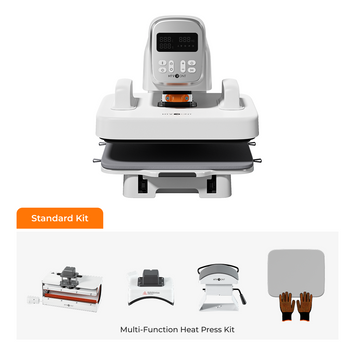
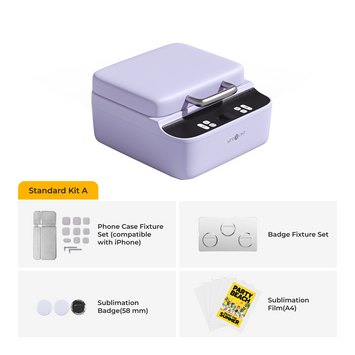
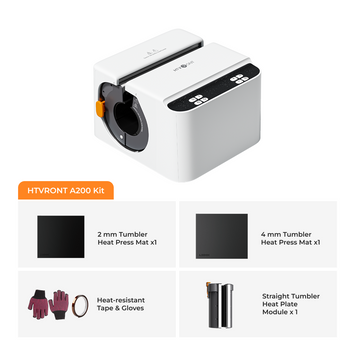
Of course, mastering cold peel is only half the battle—having reliable equipment makes all the difference. HTVRONT has become a go‑to name in the heat press community because their machines deliver the consistent temperature and pressure you need for perfect transfers every time. Whether you're shopping for a tumbler heat press, a phone case heat press, or an automatic heat press for precise operations, HTVRONT has you covered.
But that's not all! HTVRONT also offers a wide range of other DIY tools, including vinyl cutters, DTF printers, and even paint by numbers kits. It's like walking into a candy store for crafters—endless possibilities with professional-grade tools.
Frequently Asked Questions About Cold Peel
What's the main difference between cold peel and hot peel?
Cold peel requires waiting until the transfer has completely cooled before removing the backing paper, which ensures a stronger bond and crisper details. Hot peel means peeling immediately after pressing while the material is still warm, which is faster and necessary for materials like puff HTV and sublimation paper. For a deeper dive into hot peel, check out our complete guide to hot peel.
How long should I wait before cold peeling?
It depends on the material and ambient temperature, but generally you should wait until the transfer feels completely cool to the touch. This can take anywhere from 30 seconds to a couple of minutes. Rushing this process can result in lifted edges or incomplete adhesion.
Can I use cold peel for all my HTV projects?
Not always. While cold peel works well for most standard HTV, glitter HTV, metallic HTV, and intricate designs, some specialty materials like puff vinyl and sublimation paper actually require hot peel to achieve their intended effect. Always check the manufacturer's recommendation for your specific material.
What happens if I accidentally hot peel a cold peel material?
Peeling a cold-peel material while it's still hot can cause the design to lift, stretch, or not adhere properly to the fabric. The edges may curl, fine details could be lost, and the overall durability of the transfer may be compromised. If this happens, you may need to re-press the design or start over with fresh material.
Does cold peel work on all fabric types?
Yes, cold peel is compatible with all common fabric types including cotton, polyester, blends, and canvas. The peeling method is determined by the transfer material (HTV or transfer paper), not the fabric itself. As long as your heat press settings are correct for the fabric, cold peel will work fine.
Final Thoughts
Cold peel isn't just a technique—it's a mindset. It represents patience, precision, and the pursuit of perfection. While hot peel might be the speedy choice for certain projects, cold peel delivers the crisp, durable, professional finish that makes your hard work shine.
The next time you fire up your heat press machine, ask yourself: are you ready to uncover the layers of your creativity? With the right technique and the right tools—whether you're team cold peel or team hot peel—you're well on your way to crafting something truly magical.


 Cart Unlocks Add-On Deals