When specializing in fabric customization, a keen eye for textures and the various effects offered by each type of heat transfer vinyl is paramount. To understand flocked HTV, it is essential to have a basic understanding of general HTV and its applications. Heat transfer vinyl is a type of material used to transfer designs on fabrics and other surfaces using pressure and heat. There are different types of HTV, including flocked, standard, holographic, glitter, and puff HTV.
Flocked HTV is a specialized heat transfer vinyl characterized by a soft, fuzzy, velvet‑like texture created by tiny fibers bonded to its surface, giving designs a raised, three‑dimensional feel. This article zooms in on flocked HTV to help you understand its special properties, uses, and the main differences with other HTVs.
1. Understanding Flocked HTV
Flocked HTV is distinguished by its soft, suede‑like texture and raised 3D appearance, making it ideal for premium, tactile designs.
Flocked HTV is a special type of vinyl differentiated by its soft, fuzzy, and velvet texture. It pops up when heated, making it feel like suede. This aspect renders it the best way to add thickness and dimension to designs. It's almost similar to standard vinyl, save for the thickness and texture. The 3D velvety texture is caused by the tiny fibers attached to its surface. The materials used in the production of flocked HTV make it relatively expensive, although it's worth the investment given the unique properties.
Flocked HTV works best on polyester, cotton, and polymer‑based surfaces. It can also be applied to wood and glass, although it adheres best to porous surfaces. Just like any other HTV, it can't be applied to materials with low heat tolerance, like nylons, silk, and leather, as they might melt or warp.
Some brands allow for layering, with specific guidelines, but most don't (refer to the manufacturer's guidelines). If applied and washed correctly, flocked HTV is durable, although the fuzzy texture slightly softens over time.
2. Flocked HTV's Unique Properties
Flocked HTV stands out from other HTV types through its thickness, texture, 3D effect, and luxurious appearance.
Flocked HTV is easy to set apart from other HTV types using these special characteristics:
Thicker material. It is noticeably thicker than regular HTV, allowing it to retain its shape even after multiple washes. Due to this aspect, it is best to avoid using flocked HTV for complex designs as the details might not be easily achievable or visible.
The texture. Flocked HTV has a velvety, plush, and fuzzy feel, adding a tactile element that makes it soft.
3D effect. The slightly raised surface gives this HTV a three‑dimensional look that divides it from the fabric, adding visibility and depth, and giving it a bold look.
Luxurious aspect. Flocked HTV has a visual appeal that reflects high quality and luxury, making it ideal for unique gifts and premium fashion items.
3. The Best Base Materials for Flocked HTV
Flocked HTV is versatile but works best on fabrics that can withstand heat without warping or burning.
Flocked HTV is versatile. As a rule of thumb, the material should be able to withstand heat without warping or burning. Some ideal materials are:
Cotton and cotton‑polyester blend garments — common in t‑shirts and hoodies.
Polyester materials and elastin — common in athletic wear like jerseys.
Special flocked HTV with compatible adhesive — can be used on wood, glass, and other hard surfaces.
4. How to Apply Flocked HTV Designs
The application process — cutting, weeding, and pressing — is similar to standard HTV but requires adjusted settings due to the material's thickness.
The application process is similar to every other HTV application. However, due to its thick, textured, and raised surface, there are some notable differences. If you're new to HTV, start with our Heat Transfer Vinyl 101 guide to understand the fundamentals.
4.1 The Cutting Process
Start by preparing the design and mirroring it in the design software, just as you would with any other HTV designs.
Place the vinyl on a cutting mat, with its shiny side facing down, and the textured surface facing up. Secure it on a mat, especially around the edges before you start cutting so that it doesn't lift while cutting. The settings might vary based on the HTV brand. For detailed guidance, refer to the HTVRONT Vinyl Cutting & Heat Transfer Official Settings Guide (2026 Edition).
Use a deep blade and higher pressure setting than you would for a regular HTV, cutting through the flocked vinyl without slicing through the carrier sheet. Then carefully weed out the excess vinyl around the design using a weeding tool. The thicker texture makes it easier to weed as the edges are well‑defined. Learn more about weeding techniques.
Always start with a test cut to prevent wasting the expensive material.
4.2 How to Press Flocked HTV Using a Heat Press Machine
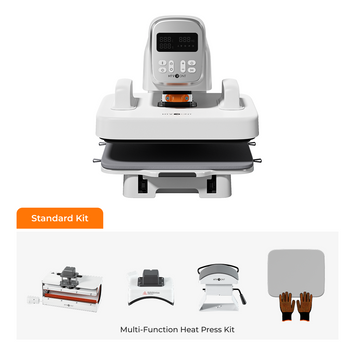
Place the garment and HTV design on the heat press plate and cover it using a protective sheet. Set the pressure to medium and the temperature to 320°F–340°F, and press for 20 seconds. The pressure should be enough to adhere the fiber to the fabric without crushing the vinyl. For a complete reference, check the Ultimate Guide to HTVRONT Heat Press Settings.
Flocked HTV usually requires a warm peel, so don't wait too long before peeling the carrier sheet. If any areas have lifted or show incomplete adhesion, cover it again and press for an additional 10 seconds.
4.3 How to Press Flocked HTV Using a Household Iron
For flocked iron‑on to adhere correctly, it requires consistent heat and pressure. Start by preheating the iron‑on to the cotton or linen setting, 320°F–340°F, depending on the material you are pressing. You will need slightly higher heat and pressure compared to when pressing regular vinyl.
Remember to turn off the steam as moisture reduces the HTV's tack. Preheat the fabric to remove creases, then cover it with parchment paper to protect it from excessive heat. Firmly press for up to 20 seconds, which is slightly longer than the regular HTV pressing time. Avoid moving or sliding the iron‑on transfer down, as this may result in uneven adhesion or distortion of the design. Press in sections until the entire design is covered.
5. Key Differences Between Flock HTV and Other HTV Types
Flocked HTV stands apart from other HTV types in texture, application settings, uses, cutting requirements, and weeding difficulty.
Medium pressure, contour cut with registration marks
Challenging due to detailed prints
6. Useful Tips for Using Flocked HTV
Follow these best practices for high‑quality results and longer durability with flocked HTV.
Use the right blade type and cutting settings that accommodate flocked HTV's texture. Always conduct a test cut to prevent material wastage. For more guidance, see HTVRONT's official settings guide.
Some brands require a warm peel while others require a cold peel. Always follow the manufacturer's recommendations to avoid ruining the design.
Storing the vinyl in a cool, dry place, away from direct sunlight, helps preserve its quality for a longer time.
Stretching or pulling the fabric while it is still hot could distort the vinyl. Wait until it is completely cooled before stretching it.
Avoid multiple pressing. Unlike with other vinyls, multiple flocked HTV presses might flatten the fibers, ruining the texture and finish.
How to Best Care for Flocked HTV Designs
Wait for up to 48 hours after application before washing the garment. When washing, turn the garment inside out to prevent mechanical friction from ruining the vinyl. Use cold water to wash and rinse. Tumble drying on cool or normal is okay, but avoid the "hot" setting as it might melt the adhesive and loosen the design. Avoid using chlorine bleach or any other harsh chemicals on the applied design. If you ever need to remove a design, check out how to safely remove heat transfer vinyl.
✓ Flocked HTV Application Checklist
□ Mirror design before cutting
□ Use a deep blade with increased pressure
□ Perform a test cut on scrap material
□ Weed carefully — flocked HTV weeding is easier but still needs precision
□ Preheat fabric to remove moisture and wrinkles
□ Set heat press to 320°F–340°F
□ Press for 20 seconds with medium pressure
□ Use a warm peel (follow manufacturer's instructions)
□ If needed, re‑press for 10 seconds on any lifted areas
□ Wait 48 hours before washing
□ Wash inside out in cold water
Frequently Asked Questions
Quick answers to the most common questions about flocked HTV.
What is the difference between flocked HTV and puff HTV?
Flocked HTV has a velvety, suede‑like texture that is already raised and soft to the touch. Puff HTV, on the other hand, expands when heated to create a puffy, 3D effect. Flocked HTV is best for premium, tactile designs, while puff HTV is ideal for novelty pieces. Learn more about puff HTV.
Can I layer flocked HTV with other vinyl types?
Some manufacturers allow limited layering, but most recommend not layering flocked HTV because its thick, textured surface can interfere with adhesion and flatten the fibers. Always check the manufacturer's guidelines before attempting to layer.
Why is my flocked HTV not sticking properly?
Common causes include insufficient heat or pressure, moisture in the fabric, or peeling at the wrong time. Ensure your heat press is at 320°F–340°F with medium pressure, pre‑press the fabric to remove moisture, and follow the recommended peel method (usually warm peel).
How do I cut flocked HTV without damaging the carrier sheet?
Use a deep blade with increased pressure settings, but run a test cut first to calibrate the depth. The goal is to cut through the vinyl layer without slicing the carrier sheet. Refer to our official settings guide for the exact parameters.
Can I use flocked HTV on dark fabrics?
Yes — flocked HTV works very well on dark fabrics. Its thick, textured surface provides excellent opacity, covering dark backgrounds effectively. Just ensure your heat press settings are correct for the fabric type.
Final Thoughts
Flocked HTV is a premium heat transfer vinyl that adds a unique tactile and visual dimension to any project. Its soft, velvety texture and raised 3D effect make it ideal for bold designs on apparel, accessories, and more.
While it requires slightly adjusted cutting and pressing settings compared to standard HTV, the results are well worth the extra care. Start with simple designs, always test your settings, and soon you'll be creating stunning flocked HTV projects that stand out from the crowd.


 Cart Unlocks Add-On Deals