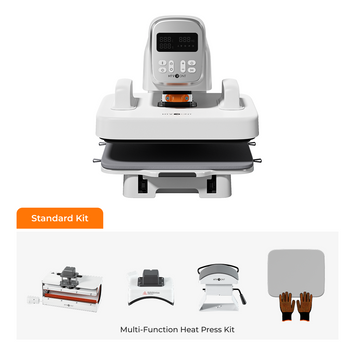
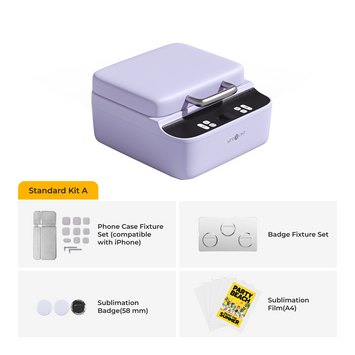
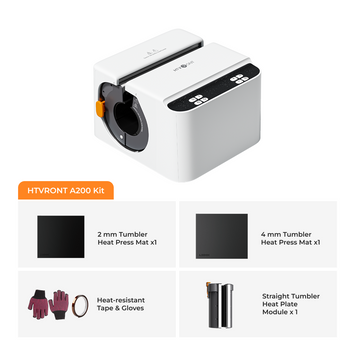
For T‑shirt DIY enthusiasts, heat presses and screen printing presses are two of the most popular and complementary tools. A heat press typically applies heat transfer designs onto garments, while a screen printing press pushes ink directly through a stencil or mesh screen. T‑shirt heat presses excel at quickly producing complex, multi‑color designs, whereas screen printing shines for batch production of single‑color or simple multi‑color work. If you already own a heat press, building your own screen printing press is a fantastic way to expand your creative toolkit. This guide walks you through the complete process—from gathering materials to testing your finished press—so you can take your DIY projects to the next level.
Let's start by clarifying exactly what a screen printing press does and why building one is worth the effort.
What Is a Screen Printing Press?
A screen printing press is a simple yet precise tool that holds a mesh screen steady over a T‑shirt, allowing you to push ink through the stencil and achieve consistent, repeatable prints.
It consists of a sturdy base, a hinged arm to hold the screen frame, and springs or tension rods to lift the screen after each print. Professional presses can be expensive, but a DIY version built from affordable materials can deliver excellent results while teaching you the mechanics of the craft.
Before you pick up a single tool, let's gather everything you'll need.
Materials You'll Need
Most of these items are available at your local hardware store—wood, hinges, clamps, springs, and a pre‑made screen frame form the core of your DIY press.
Wood or MDF (Medium‑Density Fiberboard): For the base and frame.
Metal hinges: To attach the screen holder to the base.
Clamps or screen brackets: To secure the screen in place.
Springs or tension rods: To allow the screen frame to lift and stay up.
Bolts, screws, and washers: For assembly.
Drill and screwdriver.
Measuring tape and ruler.
Paint or sealant: To protect the wood from moisture and wear.
Screen frame: A pre‑made frame with mesh for screen printing.
With your materials at hand, it's time to build—one step at a time.
Step‑by‑Step Instructions
Step 1: Design Your Press
Sketch a basic design first. A simple press consists of:
A sturdy base to hold the T‑shirt.
A hinged arm to hold the screen frame.
Springs or tension rods to lift the screen.
Keep it functional—especially if this is your first build.
Step 2: Build the Base
The base must be strong and stable. Cut a piece of wood or MDF to your desired size (e.g., 24×36 inches). Sand the edges smooth and apply a coat of paint or sealant. Attach rubber feet or pads underneath to prevent slipping during use.
Step 3: Create the Screen Holder
Attach metal hinges to the top edge of the base. Connect the hinges to a vertical wooden arm that will hold the screen frame. Secure clamps or brackets to the arm to grip the frame tightly.
Step 4: Add Springs for Tension
Install springs between the base and the screen holder arm. They should be strong enough to hold the frame in place but flexible enough to allow smooth lifting after each print.
Step 5: Assemble the Press
Attach the screen holder arm to the hinges on the base. Tighten all screws and bolts to eliminate wobble. Test the movement—the screen should lift and lower smoothly without sticking.
Step 6: Test Your Press
Before your first real project, practice on a blank T‑shirt. Place the shirt on the base and secure it with tape or adhesive spray. Attach your screen frame, apply ink, and lift/lower the screen to check alignment and smooth operation. Make adjustments as needed.
A visual demonstration can make these steps even clearer—watch the reference video below.
Reference Video: Build a T‑shirt Screen Printing Press
Video created by YouTuber @The Print Life, uploaded by Tia.
Tips for Using Your DIY Screen Printing Press
Keep it clean: Wipe off ink and residue after each use to extend the life of your press.
Use high‑quality screens: A fine‑mesh screen frame produces sharper prints.
Adjust alignment: Ensure the screen holder is perfectly aligned with the base to avoid misprints.
Experiment with designs: Start simple and gradually tackle more complex artwork as your skills grow.
Benefits of Building Your Own Screen Printing Press
Cost‑Effective: Save money by using affordable, locally sourced materials instead of buying a professional press.
Customizable: Tailor the size and features to your exact workspace and project needs.
Hands‑On Experience: Gain a deeper understanding of screen printing mechanics and troubleshooting.
The Perfect Combination: Heat Press and Screen Printing Press
If you already own a heat press, pairing it with your DIY screen printing press dramatically expands your creative options. Use the screen printing press for single‑color base designs, then add heat transfer decals, text, or intricate multi‑color graphics with your heat press. Together, they increase your efficiency and unlock a wider range of unique, professional‑looking apparel.
Frequently Asked Questions
Do I need woodworking experience to build this press?
Not at all. The design uses basic cuts, screws, and hinges—skills that most beginners can handle in an afternoon. Pre‑cut wood from the hardware store can make the job even easier.
Can I use this press to print on fabrics other than cotton?
Yes. The press holds the screen steady regardless of the substrate. You can print on polyester, blends, canvas bags, and more. Just be sure to use the appropriate ink for the fabric type.
How many colors can I print with a single‑station DIY press?
A single‑station press like this one works best for one‑color designs. You can create multi‑color prints by swapping screens and re‑registering, but it requires careful alignment. For frequent multi‑color work, you might later expand to a multi‑station build.
How long does it take to build the press?
Most builders complete the project in 2–4 hours, depending on your familiarity with basic tools and whether your wood is pre‑cut. Adding sealant or paint may extend the time slightly.
Conclusion
Building your own T‑shirt screen printing press is a fun, budget‑friendly project that unlocks serious creative potential. With a handful of basic materials, you can design a press that fits your needs and start printing custom shirts in no time. Combined with a heat press, the possibilities for your DIY apparel business or personal projects are practically endless. Gather your supplies, follow the steps, and enjoy the satisfaction of wearing—and selling—your very own printed creations. Happy printing!


 Cart Unlocks Add-On Deals