Introduction: The Sparkle That Fooled Me
Glitter HTV catches the light beautifully—I remember the first time I pressed a glitter design onto a shirt and watched it sparkle under my workshop lights. But that sparkle made me wonder: could this also work for safety gear? If it shines that bright, surely it would help someone be seen at night, right?
If you've ever worked with glitter HTV (glitter heat transfer vinyl), you know how eye-catching it can be. Under bright lights, the glitter particles sparkle and create a dazzling visual effect. Because of that shine, many DIY creators start to wonder:
Can glitter HTV be used to make reflective safety clothing?
This question often comes up when people are designing custom uniforms or work apparel. Some crafters consider using glitter vinyl for:
- Road maintenance uniforms
- Traffic control worker clothing
- Fire department shirts
- Night cycling apparel
- Volunteer or team uniforms
At first glance, glitter vinyl may seem similar to reflective material because it sparkles under light. However, decorative vinyl and safety reflective materials work very differently.
Before diving deeper, it helps to understand the basics of what heat transfer vinyl actually is and how it works when applied to garments.
Let's start with the basics—what exactly is glitter HTV, and why does it sparkle the way it does?
Chapter 1: What Is Glitter HTV?
Glitter HTV is a decorative heat transfer vinyl containing thousands of tiny reflective particles that create a sparkling effect. It's designed for fashion and visual appeal—not for safety visibility. It's applied using a heat press or shirt press, which bonds the vinyl permanently to the fabric.
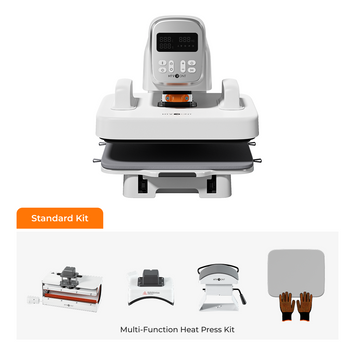
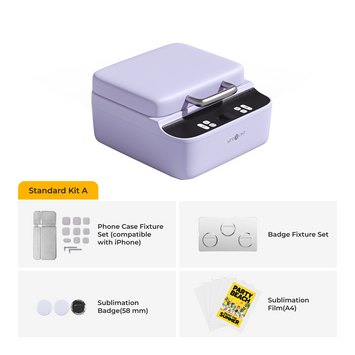
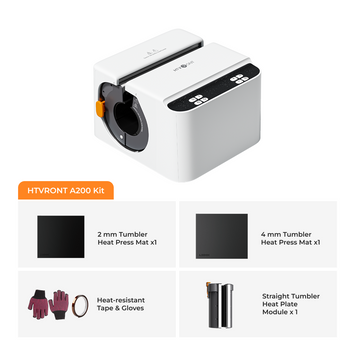
Glitter HTV is a type of heat transfer vinyl designed primarily for decorative purposes. It is applied to fabric using a Heat Press or shirt press, which uses heat and pressure to bond the vinyl permanently to the fabric.
Unlike smooth vinyl materials, glitter HTV contains thousands of tiny reflective particles embedded within the surface. These particles create a sparkling effect when exposed to light.
Because of its vibrant and bold look, glitter HTV is commonly used for:
- Fashion T-shirts
- Cheerleading uniforms
- Dance costumes
- Festival clothing
- Custom apparel logos
When light hits the surface, the glitter particles scatter that light in many directions. This produces the shimmering sparkle effect that makes designs stand out.
However, this decorative sparkle should not be confused with the true reflective properties required for safety clothing.
So if glitter HTV is just decorative, what actually makes a piece of clothing truly reflective—and safe for nighttime use?
Chapter 2: What Makes Reflective Safety Clothing Work?
Professional high-visibility clothing uses specialized reflective materials—either glass bead technology or microprismatic film—that return light directly back to its source, like car headlights. This is a fundamentally different mechanism from the scattered sparkle of glitter.
Professional high-visibility clothing is designed using specialized reflective materials that return light directly back toward its source.
According to guidance discussed by the Occupational Safety and Health Administration (OSHA), reflective materials are essential for helping drivers detect workers in low-light environments such as roadside construction zones.
Most reflective safety strips rely on one of two technologies:
Glass Bead Technology
This technology uses microscopic glass beads embedded in reflective materials. These beads redirect incoming light back toward the original light source, such as vehicle headlights.
Microprismatic Reflective Film
This material contains tiny prism structures that efficiently reflect light back toward the source, making the wearer visible from long distances.
These materials are commonly used in:
- Road construction uniforms
- Emergency response jackets
- Firefighter outerwear
- Traffic safety vests
- Industrial workwear
In the United States, reflective safety clothing must meet standards such as ANSI/ISEA 107 High-Visibility Safety Apparel Standard, which defines brightness and reflective visibility requirements.
Now that we know how true reflective materials work, let's answer the big question directly.
Chapter 3: Can Glitter HTV Replace Reflective Safety Strips?
The short answer is no. Glitter HTV scatters light randomly, while reflective materials redirect it back to its source. Glitter vinyl also doesn't meet ANSI/ISEA 107 or EN ISO 20471 safety certifications, and its limited night visibility is inconsistent and weak compared to certified reflective materials.
The short answer is NO.
Although glitter HTV sparkles under light, it cannot function as a true reflective safety material.
Different Reflection Mechanisms
Decorative vinyl scatters light randomly, while reflective safety materials redirect light back toward the source.
This means glitter vinyl creates sparkle for decoration, but it does not provide the strong directional reflection needed for nighttime safety visibility.
Safety Certification Requirements
Professional safety apparel must comply with recognized standards such as ANSI/ISEA 107 in the United States or EN ISO 20471 in Europe.
Glitter HTV is not designed or certified to meet these requirements.
Limited Night Visibility
In low-light environments, glitter vinyl may create small sparkles when exposed to headlights, but these sparkles are inconsistent and relatively weak.
Certified reflective materials, on the other hand, are engineered to be visible from much longer distances.
| Feature |
Glitter HTV |
Reflective Safety Material |
| How it works |
Scatters light in multiple directions |
Redirects light back to the source |
| Purpose |
Decorative sparkle and visual appeal |
Nighttime visibility and safety |
| Safety certified |
No |
Yes (ANSI/ISEA 107, EN ISO 20471) |
| Visibility distance at night |
Very short / inconsistent |
Up to several hundred feet |
| Best use case |
Fashion, events, team logos |
Construction, emergency, roadside work |
If glitter HTV can't be used for safety, where does it actually shine—literally and figuratively?
Chapter 4: When Glitter HTV Is Still a Great Choice
Although glitter HTV should never replace reflective safety strips, it remains a fantastic option for decorative apparel. Stage performances, sports events, festivals—anywhere you want to turn heads under good lighting—glitter vinyl delivers the sparkle you're looking for.
Although glitter HTV should not replace reflective strips, it remains a popular option for decorative apparel.
Decorative Apparel
Many creators use a shirt press to apply glitter vinyl to garments such as:
- Cheerleading uniforms
- Dance costumes
- Performance outfits
- Festival clothing
- Custom fashion hoodies
The sparkling effect works especially well under stage lighting or event lighting.
But what about work apparel? Can glitter vinyl still have a place there?
Chapter 5: Using Glitter HTV for Logos on Work Apparel
Yes—but only for decorative purposes. Many organizations use glitter HTV for team branding, event staff shirts, or commemorative uniforms. It adds visual flair, but it should never be the primary or only material used for visibility on a safety garment.
Another common question is whether glitter HTV can be used for logos on work clothing.
The answer is yes—but only for decorative purposes.
For example, glitter vinyl may work well for:
- Town event staff shirts
- Volunteer team apparel
- Community organization uniforms
- Fire department commemorative shirts
- Sports team merchandise
When applying glitter vinyl, using the correct pressing technique is important. If you're new to HTV projects, our guide on how to apply heat transfer vinyl with a heat press will help you achieve clean and professional results.
If glitter vinyl isn't the answer for safety, what should you be using instead?
Chapter 6: Better Alternatives for Safety Visibility
If your goal is improving visibility in low-light environments, there are materials specifically designed for that purpose: reflective HTV, reflective heat transfer film, and certified reflective safety tape. These can still be applied with a heat press while maintaining proper reflective performance.
If your goal is improving visibility in low-light environments, there are better materials specifically designed for that purpose.
-
Reflective HTV – designed for safety visibility
-
Reflective heat transfer film – certified for high-visibility apparel
-
Certified reflective safety tape – meets ANSI/ISEA standards
These materials can still be applied using a Heat Press or shirt press while maintaining proper reflective performance for safety clothing.
If you're investing time and money into custom apparel, you probably also want to know how long that glitter design will actually last.
Chapter 7: How Long Do Glitter HTV Designs Last?
With proper application and care, heat transfer vinyl designs can remain vibrant through dozens of washes. The key is using the right pressing technique and following garment care instructions—washing inside out in cold water and tumble drying on low.
Durability is another factor to consider when choosing materials for custom apparel. When properly applied and cared for, heat transfer vinyl designs can remain vibrant through many washes.
If you're curious about longevity and garment care, our guide on how long heat transfer vinyl designs last covers best practices for washing, drying, and maintaining your custom apparel.
✅ Quick Checklist: Glitter HTV Best Practices
- □ Use a heat press with even temperature and pressure
- □ Follow the recommended pressing temperature and time for glitter HTV
- □ Wash garments inside out in cold water
- □ Tumble dry on low or hang dry
- □ Never use fabric softeners—they can break down the adhesive
- □ For safety applications, use certified reflective materials instead
✨ Glitter HTV is for turning heads under the lights. Reflective materials are for saving lives in the dark. Know the difference, and use the right tool for the job.
Final Thoughts
Although glitter HTV sparkles under light, it is designed for decoration rather than safety visibility. Reflective materials used in safety clothing are engineered to return light directly toward its source and must comply with safety standards such as ANSI/ISEA 107. Understanding this difference ensures garments remain both attractive and safe.
Although glitter HTV sparkles under light, it is designed for decoration rather than safety visibility.
Reflective materials used in safety clothing are engineered to return light directly toward its source and must comply with safety standards such as ANSI/ISEA 107.
For DIY creators and apparel designers, understanding the difference between decorative heat transfer vinyl and certified reflective materials ensures that garments remain both attractive and safe.
📖 Want to learn more about heat transfer vinyl and safety apparel?
Frequently Asked Questions
Is glitter HTV reflective at night?
Glitter HTV can sparkle when exposed to bright light, but it does not reflect light back to the source like certified reflective materials. Therefore, it should not be relied upon for safety visibility. If you're designing for nighttime use, choose certified reflective HTV or safety tape instead.
Can I use glitter HTV for construction or road worker uniforms?
No. Professional safety clothing must meet standards such as ANSI/ISEA 107. Glitter vinyl does not meet these requirements and should only be used for decorative purposes. For road worker or construction uniforms, always use certified reflective materials.
What material should I use for reflective clothing?
If you want reflective visibility, you should use reflective HTV or certified reflective tape designed for safety apparel. These materials are engineered to meet ANSI/ISEA 107 or EN ISO 20471 standards and will keep the wearer visible at night.
Can glitter HTV still be used for work apparel?
Yes—many organizations use glitter HTV for decorative logos or team branding on shirts, hoodies, and uniforms. However, it should be used alongside certified reflective materials when safety visibility is required.


 Cart Unlocks Add-On Deals