Introduction
DTF (Direct-to-Film) printing is an exciting and innovative technique that allows you to create vibrant, durable, and high-quality designs for a variety of fabrics. However, one crucial step in the process is curing the adhesive powder applied to the printed film. If the curing process is done incorrectly, it can lead to issues like peeling, cracking, or a failed transfer. For every creator striving for perfection, proper curing is essential to ensure the quality of the final product.
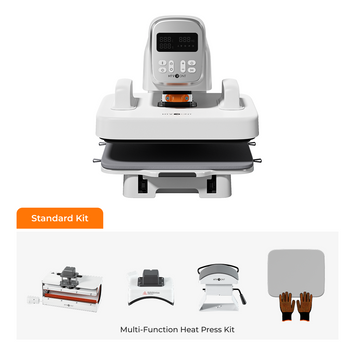
Typically, we highly recommend using a professional curing oven because it provides more even and precise heating, ensuring that every part of the adhesive powder melts and adheres properly. However, we also understand that curing ovens can be a significant investment, and they may not always be readily available. In such cases, a heat press can be a great backup option. While it may not match the precision of a curing oven, with the right technique, a heat press can still get the job done. This guide will walk you through the process of curing DTF powder with a heat press and share some tips to help you achieve the best results!
1. What You'll Need
Before you begin, make sure you have the following items ready:
- A heat press
- A printed DTF film with adhesive powder applied
- Non-stick parchment paper or silicone paper
- A flat, heat-resistant work surface
With your materials gathered, let's start with the most critical piece of equipment—your heat press. Getting the temperature right from the very beginning sets the stage for everything that follows.
2. Step 1: Prepare the Heat Press
Set your heat press to the appropriate temperature for curing DTF powder. The recommended temperature range is 266°F ± 32°F (130°C ± 18°C), with a curing time of 120 ± 10 seconds. Keep in mind that different brands of adhesive powder may have slightly varying requirements, so always refer to the product instructions for the most accurate recommendations.
Make sure to preheat the heat press before starting, as this ensures even heat distribution and consistent curing results.
Your press is preheated and ready. Now let's get the film positioned correctly—a small misalignment here can lead to uneven curing.
3. Step 2: Position the DTF Film
Place the printed DTF film with adhesive powder on a flat, heat-resistant work surface. Ensure the powder is evenly distributed over the printed design, as uneven powder application can lead to poor curing results, such as peeling or weak adhesion in certain areas.
Film in position. Before any heat touches that powder, there's one protective measure you should never skip.
4. Step 3: Cover the Film with a Protective Layer
To protect the printed design and prevent the powder from sticking to the heat press's upper platen, cover the DTF film with a layer of non-stick parchment paper or Teflon Sheet. This protective layer ensures the curing process is clean and smooth while safeguarding your design.
With the protective layer in place, here comes the technique that makes heat press curing fundamentally different from using an oven—and getting it right is the key to success.
5. Step 4: Hover the Heat Press
When curing the powder, do not press the film directly. Instead, hover the upper platen of the heat press above the DTF film without applying pressure. Lower the heat press until it is close to the film, maintaining a small gap, so the radiant heat melts the powder without flattening the design.
If your heat press does not have a hover function, you can manually hold the upper platen slightly above the film. Be careful to avoid letting the platen touch the film.
Hovering correctly sets up the heat transfer. Now the waiting begins—and knowing exactly when the powder is "done" is a skill you'll develop with practice.
6. Step 5: Cure the Powder
Hover the heat press over the film for approximately 2 to 3 minutes, or until the powder has completely melted and developed a smooth, glossy appearance. The exact time may vary depending on the type of powder and ink you are using, so it's important to monitor the curing process closely to avoid under-curing or over-curing.
How to tell if the powder is properly cured:
- The surface of the powder appears smooth and glossy.
- There are no visible powdery or grainy residues.
- The powder has fully fused with the ink, forming a cohesive layer.
The powder looks glossy and smooth. Resist the urge to touch it—the next step is just as important as the heat application itself.
7. Step 6: Allow the Film to Cool
Once the powder is cured, carefully remove the film from the curing area and allow it to cool completely. This step is critical, as handling the film while it is still warm may damage the design or compromise the adhesion.
You've successfully cured DTF powder with a heat press. Now let's step back and compare this method to the gold standard—a curing oven—so you know when to use each approach.
8. Curing Oven vs. Heat Press: Which Should You Use?
For those seeking maximum efficiency and quality, we always recommend using a curing oven. Curing ovens provide consistent and even heat distribution across the entire film, ensuring that every part of the adhesive powder is properly melted. This method is not only faster but also minimizes the risk of uneven curing or adhesion issues.
However, we understand that not everyone has access to a curing oven, and purchasing one may not be feasible for beginners or small-scale projects. In such cases, a heat press is a great emergency option. While it may not offer the same level of precision as a curing oven, with proper technique and attention to detail, a heat press can still produce satisfactory results. For those just starting out or working on a budget, a heat press is a practical and versatile tool.
Whichever method you use, a few universal habits will help you get consistent, professional results every time.
9. Tips for Successful Curing
-
Maintain a consistent temperature: Ensure the heat press stays at the set temperature throughout the curing process for even results.
-
Practice first: If you're new to DTF printing, practice curing on test films before working on your final designs to master the technique.
-
Ensure proper ventilation: Curing powder can release fumes, so work in a well-ventilated area to ensure safety.
-
Avoid overheating: Over-curing can cause the powder to lose its adhesive properties, leading to poor transfer results.
All these techniques serve a single purpose. Let's talk about why nailing the cure matters—not just for the transfer you're doing today, but for the reputation of every product you make.
10. Why Proper Curing Matters
For every creator, the quality of their work is not just a reflection of their skills but also a testament to their dedication. Properly curing DTF powder is critical to ensuring the durability and clarity of your designs. If the powder is not cured correctly, your designs may peel, crack, or fade after washing. Whether you're using a curing oven or a heat press, mastering the curing process is the key to creating high-quality, long-lasting transfers.
11. Frequently Asked Questions
How do I know if my DTF powder is properly cured?
A properly cured DTF film has a smooth, glossy surface across the entire design. There should be no visible powdery or grainy residue, and the powder should be fully fused with the ink into a cohesive layer. If you see any dull, rough patches, the powder needs more time or slightly higher heat. Run your finger lightly over the surface—if it feels gritty, it's under-cured.
Can I press DTF film directly instead of hovering the heat press?
No. Pressing directly flattens the adhesive powder against the film, which can ruin the texture and cause uneven adhesion during the transfer stage. The hover technique allows radiant heat to melt the powder from above without any physical contact, preserving the design's integrity and ensuring a clean final transfer.
What happens if I over-cure DTF powder?
Over-curing causes the adhesive powder to lose its bonding properties. The surface may look dry, brittle, or excessively shiny in patches. When you try to transfer an over-cured design, the powder won't grip the fabric properly, and the entire print may peel off after pressing. Always monitor the curing process closely and remove the film as soon as the powder reaches a uniform glossy finish.
Is a curing oven really necessary, or can I rely on a heat press long-term?
A heat press works well as a backup or for small batches, but if you plan to produce DTF transfers regularly or in larger volumes, a curing oven is a worthwhile investment. The oven's consistent, hands-off heat distribution saves time and reduces the margin for error. Many crafters start with a heat press and upgrade to an oven as their production scales up.
Why does my DTF transfer peel after washing?
Peeling after washing is almost always linked to the curing stage. If the powder wasn't fully melted—either because the temperature was too low, the time was too short, or the powder distribution was uneven—the adhesive won't form a strong enough bond with the fabric. Double-check your curing settings, ensure the powder is evenly applied, and confirm the film has fully cooled before transferring.
12. Conclusion
DTF printing is a creative and enjoyable process, and curing the adhesive powder is one of the most important steps to ensure the success of your project. While curing ovens are the preferred choice for professionals due to their precision and efficiency, heat presses can serve as a reliable backup option for small-scale production or emergency situations. By following the steps outlined above and putting in the effort to perfect your technique, you can achieve excellent results even without a curing oven.
Remember, every curing session is an opportunity to refine your craft, and every successful project is a reward for your hard work and dedication. With practice and the right tools, you'll be able to create vibrant, durable, and professional-quality DTF transfers that you can be proud of!


 Cart Unlocks Add-On Deals