Puff HTV

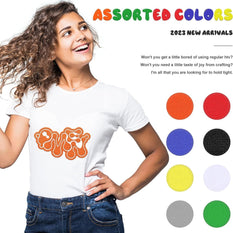
Puff Heat Transfer Vinyl expands when heated, creating a raised, 3D effect on fabric. Ideal for adding texture to T-shirts, hats, and more, it provides a unique, eye-catching finish. Easy to apply with heat, Puff HTV offers a professional, standout look for custom designs.
Filter:
  • $14.99 Regular price
    Regular priceSale price
    $14.99 $16.99
  • $15.99 Regular price
    Regular priceSale price
    $15.99
    • Black
    • Green
    • White
    • Red

Puff HTV FAQs

Should I hot peel or cold peel puff heat transfer vinyl?

For most puff HTV, hot peel is the correct method (always follow the brand’s spec). Puff works by expanding under high heat. After pressing, the PET carrier is still very hot and can keep transferring heat into the vinyl if it stays on the design. That extra heat can cause over-puffing, which hurts the texture and can distort small details. More importantly, excessive upward expansion can pull against the hot-melt adhesive, reducing how well the glue stays seated in the fabric—so it may look okay initially but lift sooner after washing. Hot peeling removes the PET quickly to stop that extra heating.

Why isn’t my puff HTV puffing up?

Puff HTV needs the right combo of heat, dwell time, and pressure to expand. If it stays flat, you’re usually too cool, pressing too short, using very light pressure, or not giving it a second press when the brand requires it. Pre-press the garment 3–5 seconds to remove moisture and wrinkles, then press at the manufacturer’s settings (common range is mid-to-high 300°F). Also check your press accuracy—many presses run 10–20°F off. A quick temp gun/strip test can save a lot of bad shirts.

Why did my puff HTV “over-puff,” crack, or look rough?

Overheating or over-pressing can make puff HTV expand too aggressively, which can cause surface cracking, blown-out edges, or an orange-peel texture. Too much pressure can also squash the foam as it tries to rise, making it look uneven. Stick to the recommended time and use medium pressure unless the brand says otherwise. Use the right cover sheet (often parchment or a Teflon sheet) and avoid repeated long presses. If you need a second press, do it shorter. Let it cool before judging—some textures settle as it cools.

What fabrics work best with puff HTV?

Puff HTV is most predictable on 100% cotton and stable cotton blends. Polyester can work, but it’s more sensitive: too much heat can cause dye migration, scorch, or shine, and some puff formulas don’t like slick performance fabrics. Stretchy garments are tricky—puff can split if the fabric is pulling the design. For nylon, water-resistant, or heavily textured fabrics, puff is often a poor fit unless the vinyl is specifically rated for it. When in doubt, test on a scrap and do a wash test before producing a batch.

Can I cut small text and thin lines with puff HTV?

You can, but puff HTV is not the best choice for super fine detail because expansion can close up counters (like the inside of “A” or “e”) and make thin strokes look chunky. Use larger fonts, bolder weights, and give designs more spacing than you would with regular HTV. Dial in your cut: a clean blade, correct force, and slower speed help. Weed warm if recommended. If you need tiny text, consider standard HTV for the small elements and puff only for a main word or outline.

How do I make puff HTV last through washing and drying?

Durability comes from proper bonding. Pre-press to remove moisture, press at correct settings, and Hot Peel. Wait 24 hours before washing if possible. Wash inside out, cold or warm, mild detergent, and avoid bleach and harsh fabric softeners. Tumble dry low or hang dry—high heat can soften and distort the puff over time. If edges lift, it’s often under-pressed or the garment finish is resisting adhesion; a short re-press with a cover sheet can help.

How to Heat Press Puff Vinyl

Tia Isom

Puff vinyl is a unique heat transfer material that creates a raised, 3D effect when heated, perfect for bold, textured designs. This guide walks you through the entire process, from...

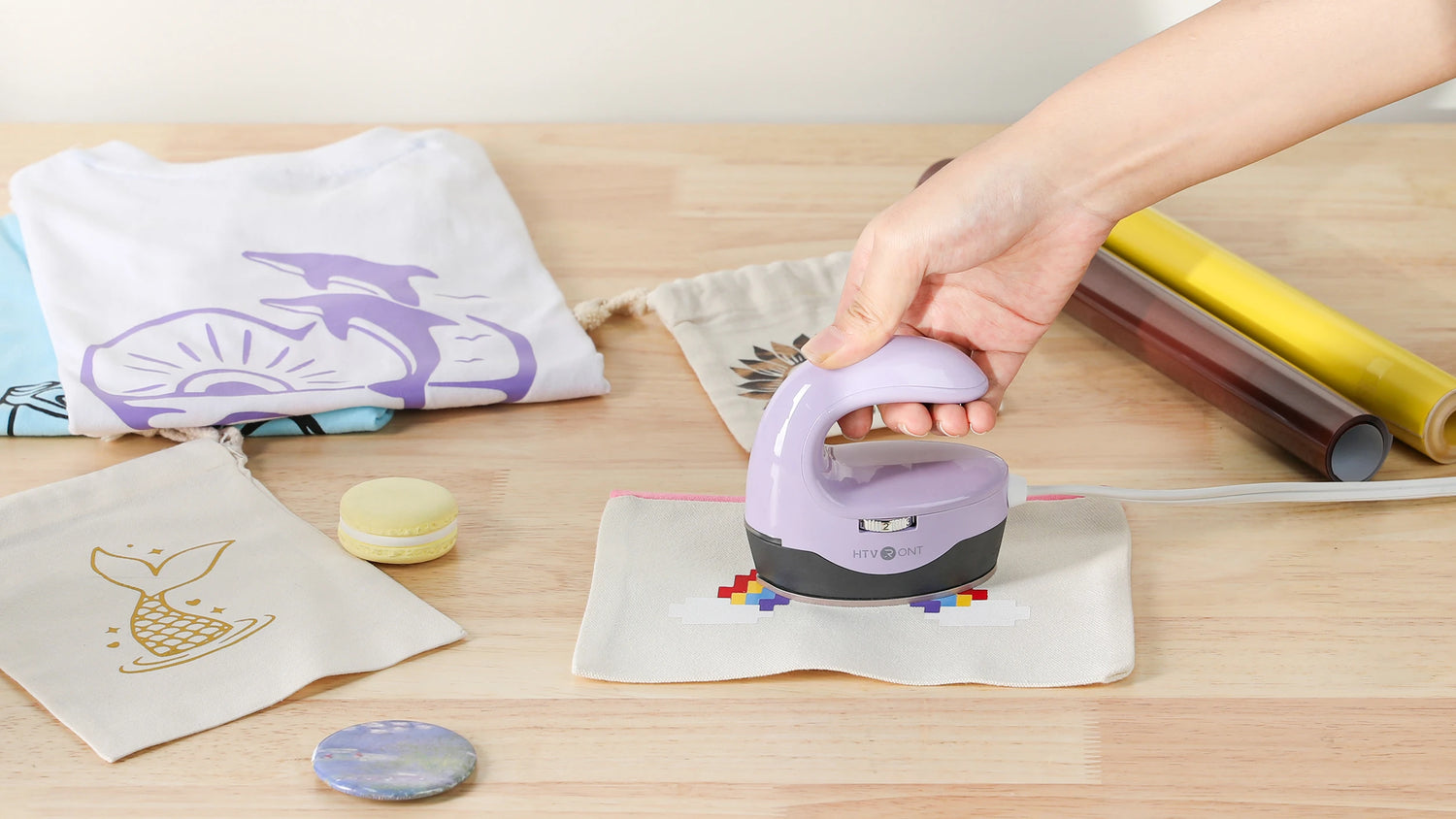
H1 Mini Heat Press

Portable, simple, and efficient, enjoy the fun of creating anytime, anywhere.

The H1 Mini Heat Press has three adjustable settings to accommodate different heat transfer vinyls and DTF printing films, with a maximum temperature of 180°C / 356°F.

Its teardrop design ensures even heat distribution to every corner.

Weighing only 0.4 kg, it's perfect for outdoor DIY activities and creative markets.

For beginners who don't know how to choose a heat press, the H1 Mini Heat Press is the most affordable yet valuable option.

Shop Now
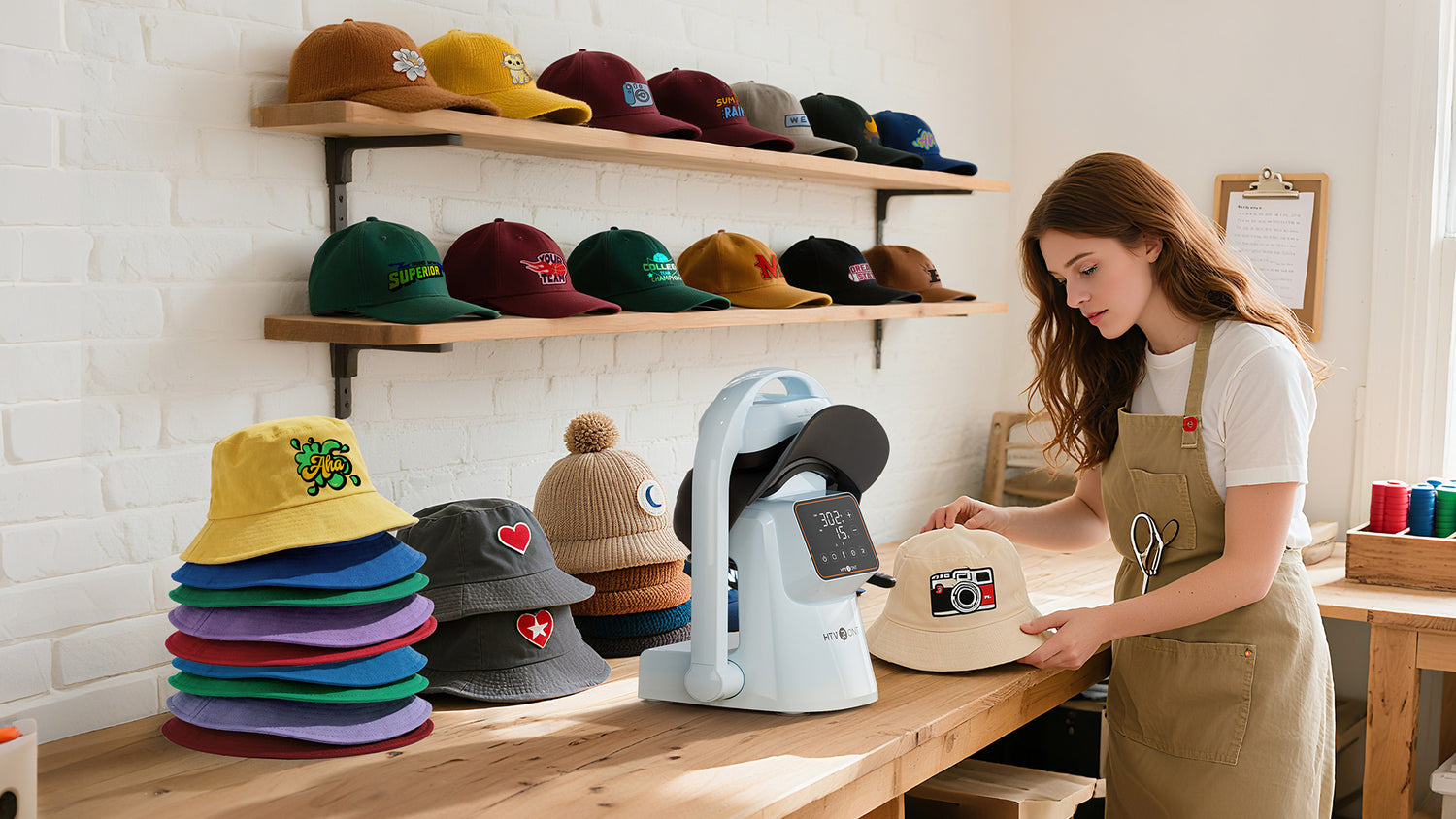
A woman is making DIY bucket hats and baseball caps using an A300 Hat Heat Press in her workshop.

A300 Auto Hat Heat Press

A smarter, more efficient, and compact hat heat press. Temperature and time are adjustable. Perfect for designing your baseball caps, bucket hats, trucker hats, and cowboy hats.

Shop Now
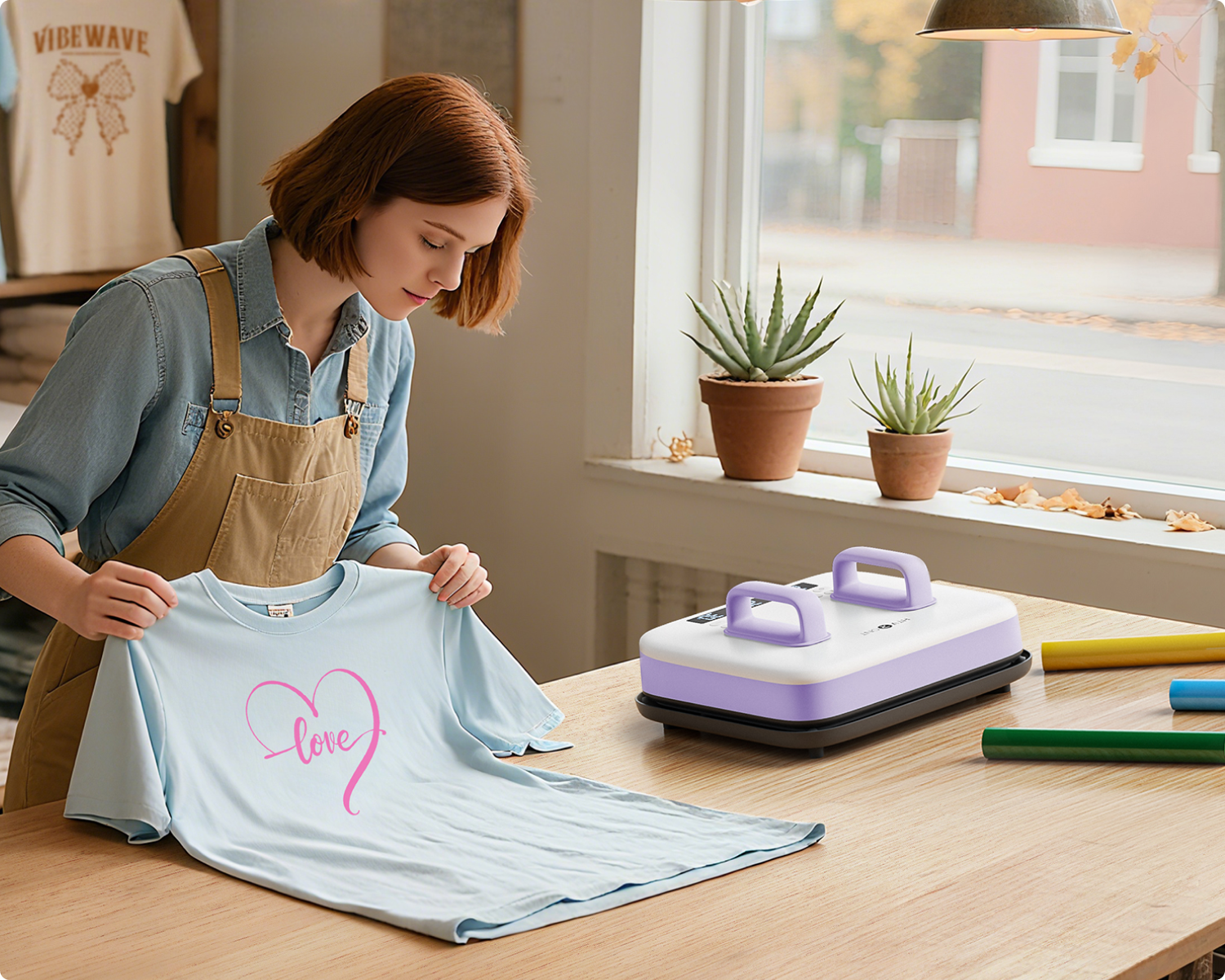
Light Purple H10 Portable T-shirt Heat Press

H10 Portable T-shirt Press

Double-handle design ensures even pressure distribution. The digital control panel displays pressure, temperature, and time in real time, putting every heat-press detail perfectly under your control.

Shop Now
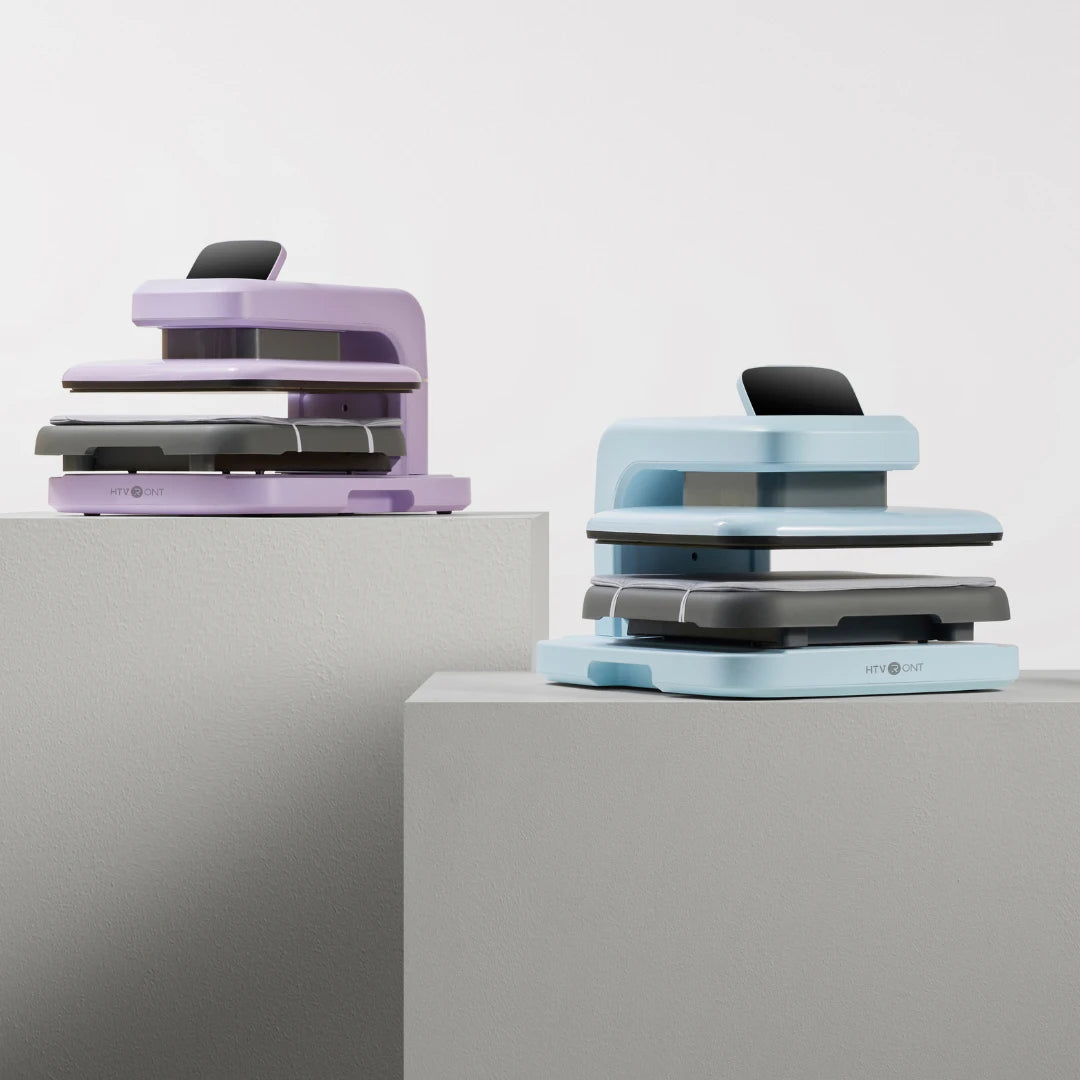
Auto Heat Press 2 - Light Purple and Light Blue

Auto Heat Press Gen-2

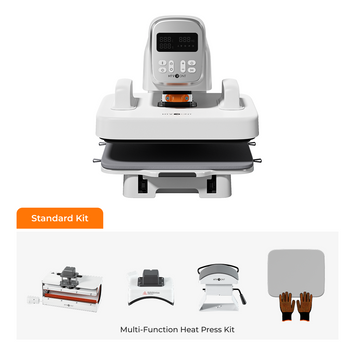
HTVRONT Auto Heat Press 2 streamlines creation with fully automatic heat pressing—just press a button. Built-in material presets get you started fast without trial and error, while adjustable pressure ensures stable, even results for both sublimation and DTF. Handle items up to roughly 4.5 cm thick, covering T-shirts, tote bags, wooden boards, coasters, and more to unlock wider use cases.

Automated operation: Integrated control of time/temperature/pressure for consistent quality.

Quick start: Multiple material presets to reduce guesswork and boost success rates.

Multi-process compatible: Optimized for sublimation and DTF across diverse blanks.

Thick-item support: Works with items up to about 4.5 cm thick to expand project range.

Shop Now