Ever looked at a cool custom t-shirt and thought, "I wish I could make that"? Well, guess what — you absolutely can! If you've been wondering "What's the difference between sublimation and screen printing?" or "Which printing method is better for custom t-shirts?" — this guide has you covered. Today, we'll compare two powerful ways to bring your creative designs to life: screen printing and sublimation.
How Do Sublimation and Screen Printing Compare?
Screen printing pushes ink through a stencil to sit on top of fabric, while sublimation turns dye into gas that bonds within polyester fibers — two fundamentally different approaches with distinct results.
Screen printing helps you create personalized designs using a sophisticated stencil system. You push plastisol ink through a mesh screen onto the fabric to create bold, vivid designs. Dye sublimation, on the other hand, is like something out of a sci-fi movie — it turns ink particles into a gas that bonds with polyester fibers at a molecular level.
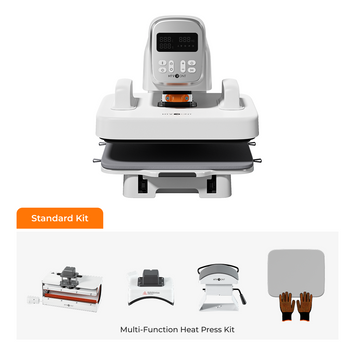
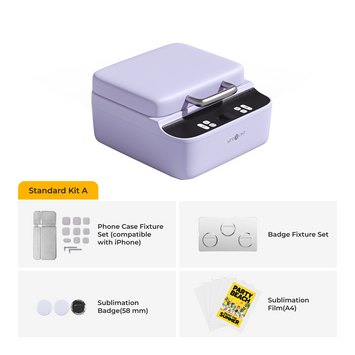
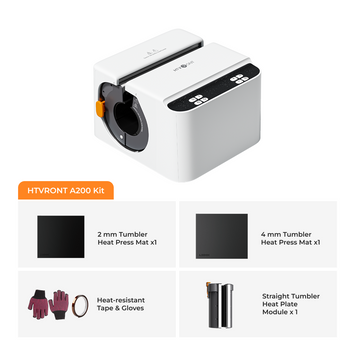
For sublimation, you'll need a heat press, sublimation transfer paper, a sublimation printer, and sublimation ink. These materials are available at local craft stores or online retailers.
The Design Texture
Screen printing results in thick layers of ink sitting on top of the fabric — vibrant colors with a satisfying tactile texture. It also handles specialty inks like metallics, glitter, and puff inks that rise from the fabric.
Sublimation takes a different approach: the ink becomes one with the fabric, maintaining its original drape and flexibility. Sublimated designs feel completely smooth to the touch — no raised surfaces, no texture.
The Materials Used
Material compatibility is a game changer. Screen printing works on virtually any fabric — cotton, polyester, blends, canvas, even wood. Its versatility is ideal if you want to offer a wide range of products.
Sublimation is more selective — it needs polyester or polymer-coated materials to work its magic. That's a limitation, but when sublimation finds its perfect match, the results are spectacular.
Durability of the Design
Screen-printed designs are remarkably durable when applied correctly — the plastisol ink bonds to the fabric's surface and withstands significant wear. However, they may eventually crack or peel in areas subjected to repeated stretching.
Sublimation offers a fundamentally different durability profile: the ink becomes part of the fiber structure at a molecular level. Sublimated designs often maintain 100% of their visual clarity and color intensity for the entire lifespan of the garment — no cracking, no peeling.
Production Quantity Considerations
Screen printing is more effective for bulk orders. Once your screen is set up, you can print dozens or even hundreds of identical designs — the more you print, the more cost-effective it becomes.
Sublimation is the king of customization and small runs. There's no setup cost per design, so you can print one-offs and small batches without breaking the bank. The two-step process (print on transfer paper, then heat press) makes it less efficient for large-scale production.
Cost and Investment Comparison
Screen printing has higher setup costs per design, making it less cost-effective for small runs. The labor-intensive process and material costs add up. Sublimation has a larger upfront equipment investment — printer, heat press, and supplies — but each additional design costs very little to produce.
Over time, sublimation often delivers a better return on investment for small-batch crafters, while screen printing becomes more economical at scale.
Environmental Impact
Both methods impact the environment, but screen printing has a greater negative effect due to ink run-off and harsh, non-biodegradable ingredients. Plastisol inks commonly used in screen printing release VOCs (volatile organic compounds) that can seep into the ground and contaminate water sources.
Sublimation produces relatively less waste because the ink is infused directly into the material. It also uses a waterless dye cycle, minimizing water wastage and harmful chemical run-off.
How to Choose Between Sublimation and Screen Printing
Match the method to your project — screen printing for bulk runs on any fabric, sublimation for detailed, full-color work on polyester.
Consider screen printing if:
You're printing large quantities of the same design
You need to print on dark garments
Your designs use just a few solid colors
You want that classic, textured feel
You need to print on various materials like cotton and canvas
Sublimation is best if:
You're offering highly customized products
Your designs include photographic elements or gradients
You want ultra-lightweight, breathable prints
You need to print all-over designs
You mainly work with polyester or polymer-coated items
Pros and Cons of Screen Printing and Sublimation
Here's a side-by-side comparison of the strengths and limitations of each method.
Method
Pros
Cons
Screen Printing
Works on virtually any material; superior opacity on dark fabrics; cost-effective for large runs; specialty inks available (metallic, glow-in-dark)
High setup costs; multi-color designs increase cost significantly; limited photographic detail; time-consuming setup and cleanup; designs may crack or peel over time
Sublimation
Perfect for complex, full-color designs; permanent, durable results; smooth, seamless finish with no raised surfaces
Limited to polyester-based materials; cannot print effectively on dark fabrics; significant initial equipment investment
Verdict: Which Printing Method Is Best for DIY at Home?
For most home crafters, sublimation wins for customization and photo-quality prints — while screen printing shines for bulk orders and dark fabrics.
From experience, sublimation offers unmatched color vibrancy on polyester mugs and t-shirts. Invest in a printer like the Epson SureColor for the most vibrant prints. Mastering the heat press settings is key — beginners should start with preset templates to avoid errors.
Screen printing is great for large batches, making it ideal for bulk orders. If you run a DIY decor business producing dozens of identical items, screen printing's economy of scale works in your favor.
It's also worth noting that since sublimation requires polyester, common DIY materials like cotton need screen printing for premium results. Small businesses using sublimation may see increased profit from reduced production waste, while screen printing businesses excel at mass-producing band merchandise at lower cost per unit.
Screen printing can also be eco-friendly when using water-based or soy-based inks. Look for OEKO-TEX certifications, reuse screens where possible, and opt for biodegradable cleaning agents.
□ Consider your budget — upfront equipment vs. per-design costs
□ Evaluate your workspace (sublimation needs less setup room)
□ Think about durability requirements (sublimation lasts longer on polyester)
□ Factor in environmental impact if that matters to your brand
Glossary for Technical Terms
Quick definitions of key terms used throughout this guide.
Photo Emulsion — A light-sensitive coating applied to screens that hardens when exposed to light, creating a stencil for screen printing.
Sublimation — A printing method where dye turns into gas when heated, bonding permanently with polyester fabric or coated materials.
VOCs (Volatile Organic Compounds) — Harmful chemicals released during the curing of certain inks that contribute to air pollution.
Plastisol Ink — A durable screen printing ink made from PVC particles suspended in plasticizer; less eco-friendly than water-based alternatives.
Polyester Fabric — A synthetic textile required for sublimation printing, valued for durability and vibrant color retention.
Frequently Asked Questions
Quick answers to the most common questions about sublimation and screen printing.
Which method is more durable for frequent washing — sublimation or screen printing?
Sublimation is more durable because the dye is infused into the material at a molecular level. Screen printing ink sits on top of the fabric and can crack or peel after repeated washing and friction.
Can I print gradients and detailed images with screen printing?
It's possible but difficult. Screen printing works best with solid colors and simple shapes. For gradients, photographic details, and complex multi-color designs, sublimation is the far better option.
Should I use screen printing or sublimation for dark fabrics?
Screen printing is the clear winner for dark fabrics. Its opaque inks sit on top of the material, while sublimation ink is translucent and gets lost on dark backgrounds without a white base layer.
What fabrics can I use with sublimation printing?
Sublimation works best on polyester and polymer-coated materials. Cotton and other natural fibers won't hold sublimation ink without special coatings or HTV base layers.
Is screen printing or sublimation more cost-effective for small businesses?
For small runs and custom orders, sublimation is more cost-effective because there's no per-design setup cost. For large batches of identical designs, screen printing becomes more economical through economies of scale.
Which printing method is more environmentally friendly?
Sublimation generally has a lower environmental impact because it produces minimal waste and uses a waterless dye cycle. Screen printing can be eco-friendly when using water-based or soy-based inks and proper waste management.
Both methods can produce stunning results — the right choice depends on your fabric, design, batch size, and budget. Whichever you pick, mastering your tools is the real key to professional-quality work.
Ready to start pressing? Our sublimation temperature guide covers the exact heat, pressure, and time settings for every substrate — so your transfers come out flawless every single time.

 Cart Unlocks Add-On Deals