Introduction
When you enter the world of vinyl crafts, it can quickly become confusing. Between different machine settings, application processes and vinyl types, it is easy to get overwhelmed and want to throw away the towel. But please don't give up - we are here to help you! After a quick introduction to some different types of vinyl and an overview of common terms, you will beautify T-shirts, tumblers and tote bags!
Common terms used in vinyl and HTV Crafting
First is the first thing. In order to make it easier to make with vinyl, it is important to master the common terms you will see.
Cutter:
The machine you use to cut out designs from vinyl. Common brands include Cricut, Silhouette and ScanNCut. All materials of HTVRont are compatible with all cutters.
Carrier Sheet:
Only applies to heat transfer vinyl. This is the sheet (transparent film) that protects the HTV, allowing you to transfer it to your project by heating, such as a heat press or a household iron. All our HTVs come with a carrier sheet.
Weeding:
After cutting the design with your vinyl cutter, it is time to weed. This refers to removing excess material to show the final design. When weeding the design, you usually need to use a weeder, knife or a tool such as a pin to help you remove the material you do not need.
Heat Press:
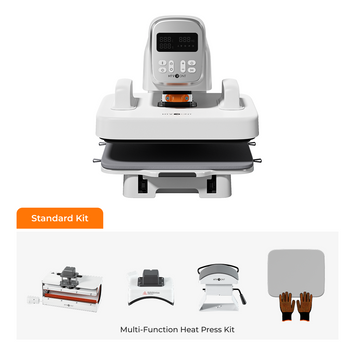
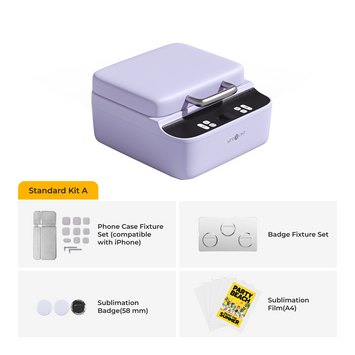
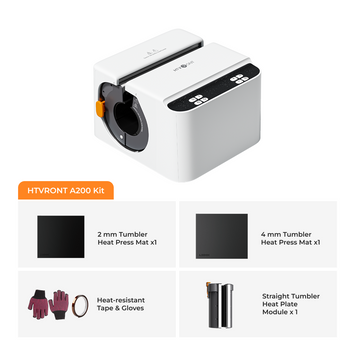
The heat press is a machine used by the crafters to adhere the HTV design onto the clothes. It has a feature that can be heated to a controlled temperature, and some even have additional accessories for pressing cups and coffee cups. Your clothes are placed between the patterns, and the firm and pressure of the clamping mechanism is used to adhere to your design. It is recommended to use the heat press for commercial handicrafts and bulk orders. Otherwise, your home iron can work fine!
Pressure:
Speaking of pressure, this is very important in the world of heat transfer vinyl. Without it, your design may not last long and may fall off after washing. When using HTV vinyl, please make sure to use a heat press and a household iron to use enough pressure. You can adjust the pressure on the heat press, but if you use a household iron, you will need to make sure to press hard. Some people iron on the floor (or sturdy table) and press the design with their weight. For certain materials, such as matte, liquid metallic, printable and patterned, you should be able to see the lines of the clothes through the material. This means you have enough pressure.
Cover Sheet:
When you are pressing HTV, you need a cover sheet (such as a Teflon sheet) to protect your design from heat. When using multiple layers, your HTV vinyl carrier sheet may not cover the entire design. It is important to cover any exposed areas to prevent the material from burning, melting or sticking to the heat press or household iron during pressing.
Hot or Cold Peel:
This applies to HTV Vinyl. Depending on the material used, you may need to take some time to cool after pressing before removing the transparent carrier sheet, a process known as Cold Peel. This ensures the material bonds properly with the fabric. Alternatively, some HTV materials are designed for Hot Peel, allowing you to remove the carrier sheet immediately after pressing while the vinyl is still warm. If your HTV had problems with bubbling or warping in the past, the issue may be related to using the wrong peel method. Please check with your supplier to confirm whether your material requires Hot Peel or Cold Peel for optimal results.
Layering:
Some types of vinyl can be layered. This simply means that one material will lay on another material on the clothes. Note, not every material from every manufacturer can be layered (HTVRONT Heat Transfer Vinyl can be layered). Please check with your supplier.
Adhesive Tape:
The tape is used with adhesive vinyl. It transfers your design to your project.
Vinyl Type:
Vinyl is divided into two main categories, each of which has a different style: adhesive vinyl and heat transfer vinyl. Which one to use depends on the application.
Adhesive Vinyl:
Adhesive vinyl, also known as sticker vinyl, is a flexible material with pressure sensitive adhesive. You can cut it into multiple designs for multiple purposes. It can be applied to the smooth and hard surfaces.
There are two types of adhesive vinyl: permanent outdoor vinyl and removable indoor vinyl. Which adhesive vinyl you use depends on what you intend to apply it to. If you use permanent vinyl in your craft project, you can remove it, but be aware that it may damage the surface and paint.
If you want to make wall decals, stencils or signs that you want to display indoors, you can use removable vinyl.
Heat transfer vinyl:
Heat transfer vinyl is also called HTV and iron on vinyl, and these terms are often used interchangeably. It is an apparel vinyl used to decorate clothing, mugs, glasses, hats, etc. Basically, any clothes or materials that will not melt at high temperatures can be candidates for HTV. It is also used to personalize gifts and create unique home decorations.
Pattern vinyl:
Another type of vinyl is patterned, it can be used for adhesives and heat transfer vinyl. These worksheets feature interesting, themed patterns, including various categories such as galaxy, camouflage, buffalo plaid, serape and holiday, to name a few.
Printable vinyl:
With printable vinyl, cutter and inkjet printer, you can make any design or pattern you want! The choice of this material is truly endless. Available in adhesive and HTV vinyls, which can be used to print any images or patterns you want to make for crafting projects.
If you are using HTVRONT's HTV, we will provide a free guide.
If you have any questions about vinyl and how to use it, we are happy to help you! You can contact us on our Instagram or Facebook Page.


 Cart Unlocks Add-On Deals