Introduction
Have you ever stared at a nylon jacket or bag and thought, "Can I really customize this without ruining it?" Maybe you've already tried—and ended up with a shiny, crinkled mess that used to be a perfectly good windbreaker. Trust me, I've been there too. The idea of heat pressing nylon can feel like walking a tightrope without a net.
But here's the good news: heat pressing nylon isn't impossible. With the right temperature, the right materials, and a little extra care, you can create stunning, professional-quality designs on this notoriously tricky fabric. Let me walk you through the process step by step, while sharing a few lessons I've learned (some the hard way) so you don't have to learn them yourself.
1. Nylon: The Diva of Fabrics
If fabrics had personalities, nylon would be the diva of the group. It's lightweight, shiny, durable, and oh-so-versatile. But just like a diva, it demands special treatment. Unlike cotton, which can handle heat like a pro, nylon is heat-sensitive and has a surprisingly low melting point. Imagine trying to toast marshmallows over a roaring fire—you have to be careful, or they'll burn in seconds. That's nylon for you.
Nylon's melting point is around 400°F (204°C), but it doesn't even need to hit that temperature to start showing signs of damage. Warping, discoloration, and scorching can happen well below 350°F if the pressure is too high or the time is too long. And because nylon has a smooth, almost slippery surface, standard heat transfer vinyl often struggles to get a strong grip. So, can you heat press nylon? Yes—but you'll need to treat it like fine china.
Now that you know why nylon is so demanding, let's look at the disasters that happen when things go wrong—and trust me, I've stumbled into every single one of these.
2. What Could Go Wrong? (Lessons Learned the Hard Way)
-
The Melted Mess: You used the same 330°F setting you'd use for cotton. The result? The nylon warped, shrank, and fused to your Teflon sheet. Fix: Never exceed 300°F on 100% nylon.
-
The Peeled Design: The transfer looked great right after pressing, but it peeled off completely after one wash. This usually happens because the vinyl wasn't formulated for nylon's slick surface. Fix: Use a low-temperature HTV specifically rated for heat-sensitive fabrics.
-
Scorch Marks: You spot a shiny, discolored patch where the heat platen sat. This is a classic sign of too much direct heat. Fix: Always use a protective barrier like a Teflon sheet, and never press directly onto the fabric.
-
Stretching and Distortion: The fabric came out looking lopsided. Nylon, especially thin nylon, stretches under heavy pressure. Fix: Use light to medium pressure only, and place your item flat without pulling.
Ready to leave those disasters behind? Here's the good news: every single one of those failures has a straightforward fix. Follow these seven steps, and you'll drastically reduce the risk of another nylon nightmare.
3. How to Heat Press Nylon Without Losing Your Mind
-
Check the Care Label First
Before you even turn on your heat press, look for the little tag inside your garment. It's your cheat sheet. Some nylon is blended with other materials that can handle a bit more heat; pure nylon cannot. If the label says "do not iron," treat it as a hard stop—but most nylon items can be pressed if you're careful.
-
Use the Right Vinyl
This is the step that makes or breaks your project. Standard HTV often fails on nylon because it needs higher temperatures to activate. Instead, look for low-temperature heat transfer vinyls designed specifically for heat-sensitive fabrics. These formulations bond securely at much lower heat, giving you a strong stick without destroying the material.
-
Set the Temperature Low
Here's your golden rule: stay within 275°F to 300°F (135°C to 149°C). That's your safe zone. Never go higher unless you're using a specialty HTV that explicitly calls for it—and even then, test first.
-
Apply Light to Medium Pressure
Imagine pressing a delicate flower into a book. That's the kind of touch you want. Heavy pressure stretches and distorts nylon, especially on lightweight items. Use just enough to make firm, even contact.
-
Keep the Time Short
Nylon doesn't like long visits with heat. 8 to 10 seconds is usually enough. Think of it as a quick handshake, not a lingering hug. If you need a second press, let the fabric cool completely first.
-
Always Use a Protective Barrier
A Teflon sheet or parchment paper between the heat platen and your nylon item is non-negotiable. It acts like sunscreen, distributing heat more evenly and protecting the fabric from direct, scorching contact.
-
Test on a Scrap First
I can't stress this enough. If you have a hidden seam allowance, an inside pocket, or a scrap piece of the same material, do a full test press there first. It's like dipping your toe into a pool before diving in—you want to know exactly what you're dealing with.
If you've followed those steps, you're already most of the way there. But having the right tools on hand makes the whole process smoother—here's what you'll want ready before you start your next nylon project.
4. What You'll Need for Nylon Projects
-
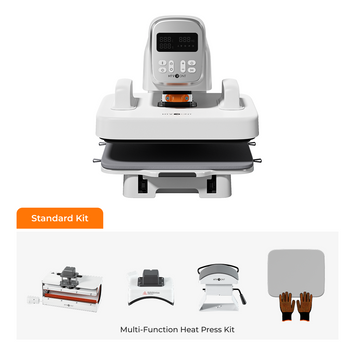
A heat press with precise temperature control (not a household iron, which runs too hot and uneven).
-
Low-temperature HTV rated for nylon or heat-sensitive synthetics.
-
Teflon sheet or parchment paper for protection.
-
Heat-resistant tape to hold your design in place without shifting.
-
A flat, hard pressing surface—avoid padded ironing boards that absorb pressure unevenly.
💡 The right vinyl changes everything: If you've struggled with adhesion on nylon, switching to a low-temperature HTV designed for heat-sensitive fabrics is often the single fix you need. These specialty vinyls adhere securely at 275°F–300°F, giving you professional results without scorching or peeling. Browse our heat transfer vinyl collection for options that work beautifully on nylon, polyester, and other delicate synthetics.
Armed with the right tools and a solid game plan, nylon becomes far less intimidating. But if you're still feeling hesitant, let's talk about your options.
5. Is There an Easier Way?
If the thought of heat pressing nylon still makes you nervous, you have options. Sew-on patches, adhesive vinyl stickers, or even fabric glue can give you great results without ever turning on a heat press. But if you're determined to master heat pressing—and I hope you are—don't let fear hold you back. Every failed attempt teaches you something, and once you get that first perfect press on nylon, it feels like a real victory.
6. Frequently Asked Questions
What temperature should I use to heat press nylon?
Stay between 275°F and 300°F (135°C to 149°C). Always use a low-temperature HTV formulated for heat-sensitive fabrics, and never exceed 300°F unless your specific material and vinyl combination has been tested to handle it.
Why does my HTV peel off nylon after washing?
Peeling is almost always caused by using standard HTV that requires higher heat to bond. Nylon's smooth, low-energy surface demands a specialty low-temp vinyl with an adhesive designed to grip it. Also, ensure you pre-press the fabric for 2–3 seconds to remove moisture before applying your design.
Can I use an iron instead of a heat press on nylon?
It's very risky. Household irons have uneven heat distribution and often run hotter than their dial indicates. A heat press with precise digital temperature control is strongly recommended for nylon to avoid scorching or melting.
How do I fix a scorched or shiny spot on nylon?
Unfortunately, heat damage on nylon is permanent. The fibers have melted and changed texture. Prevention is the only cure—use a protective Teflon sheet, keep temperatures low, and test on an inconspicuous area first.
Do I need to peel hot or cold when pressing on nylon?
It depends on your HTV's instructions, but cold peel is generally safer for nylon. Let the design cool completely before peeling the carrier sheet. This allows the adhesive to set firmly and reduces the risk of lifting the design while it's still warm and pliable.
7. Final Thoughts
So, can you heat press nylon? Yes, you can—but it's not for the faint of heart. Nylon is a demanding fabric that rewards patience and punishes carelessness. But when you see your design perfectly adhered, without a single scorch mark or wrinkle, it's a feeling of pure triumph. It's like taming a wild horse—once you do it, you'll feel unstoppable.
The next time you're staring at a nylon jacket, bag, or shirt, wondering if you can make it your own, remember: with the right low-temperature vinyl, a precise heat press, and the gentle touch you've learned here, you absolutely can. And trust me, there's nothing more satisfying than turning a plain piece of nylon into a customized masterpiece that lasts.


 Cart Unlocks Add-On Deals