Introduction
Leather is one of the most versatile and timeless materials in the world of crafting. Its durability, elegance, and luxurious feel make it a favorite for everything from accessories and clothing to furniture and home décor. But when it comes to customization, many crafters and DIY enthusiasts often ask, "Can you heat press on leather?" The answer is yes! However, heat pressing on leather requires careful preparation, the right tools, and a bit of patience to ensure you don't damage the material.
Whether you're working with genuine leather, faux leather, or PU leather, this guide will walk you through everything you need to know—from understanding how each type reacts to heat, to the best vinyl choices and temperature settings, to creative project ideas that will inspire your next make. By the end, you'll have the confidence to heat press leather without the fear of ruining a beautiful piece.
1. The Beauty of Customizing Leather with Heat Pressing
Imagine a beautifully crafted leather wallet with a monogram, a faux leather tote bag adorned with a custom design, or a PU leather jacket featuring bold, eye-catching graphics. Heat pressing opens up endless possibilities for adding a personal touch to leather items. But before you dive in, it's important to understand that leather is not like traditional fabrics. It's a natural or synthetic material that reacts differently to heat, pressure, and adhesives. So, can you heat press vinyl on leather? Absolutely—but the process requires some adjustments compared to working with cotton or polyester.
That adjustment starts with understanding exactly what you're working with. Not all leather is created equal, and each type presents its own challenges when heat enters the equation.
2. Challenges of Heat Pressing on Leather
Leather, whether genuine, faux, or PU, presents unique challenges for heat pressing. Each type of leather has its own characteristics that affect how it reacts to heat and pressure:
-
Genuine Leather: Genuine leather is made from animal hide and is typically more durable and heat-resistant than synthetic alternatives. However, it can still be sensitive to high temperatures, which can cause discoloration, warping, or a loss of its soft texture. The smooth or textured surface of leather can also make it tricky for vinyl to adhere properly.
-
Faux Leather: Faux leather, made from synthetic materials like PVC, is often more affordable and widely used in crafting. But can you heat press on faux leather? Yes, you can, but it's even more sensitive to heat than genuine leather. High temperatures can cause faux leather to melt, wrinkle, or lose its shape, so extra care is needed.
-
PU Leather: PU leather, a type of faux leather coated with polyurethane, is a popular choice for accessories like handbags, wallets, and jackets. Many crafters wonder, "Can you heat press on PU leather?" The answer is yes, but like other synthetic leathers, it's prone to damage from excessive heat. Using the right temperature and protective measures is crucial.

Now that you know what you're up against, let's get practical. Here are the techniques that will help you navigate those challenges and get a clean, lasting press every time.
3. How to Heat Press on Leather: Best Practices
Despite the challenges, heat pressing on leather is entirely possible with the right approach. Here are some tips to help you achieve professional-quality results:
1. Choose the Right Type of Vinyl
When working with leather, it's essential to use heat transfer vinyl (HTV) that's specifically designed for difficult surfaces. Regular HTV may not adhere well to leather, but textured or glitter HTV often works better because it grips the surface more effectively. Always check the manufacturer's recommendations to ensure compatibility with leather.
2. Adjust Heat and Pressure Settings
Leather requires lower heat and pressure settings than traditional fabrics. A temperature range of 250–300°F (121–149°C) is generally safe for most types of leather, including faux and PU leather. Use light to medium pressure to avoid leaving permanent marks or indentations on the material. Always refer to your heat press machine's manual and test your settings on a scrap piece of leather before starting your project.
3. Protect the Leather Surface
To prevent direct heat damage, place a Teflon sheet, parchment paper, or another heat-resistant barrier between the heat press and the leather. This extra layer helps distribute the heat evenly and protects the leather from scorching or melting.
4. Test Before Committing
Before applying your design, test the heat press on a small, inconspicuous area of the leather or a scrap piece. This allows you to fine-tune the temperature, pressure, and time without risking damage to your final project.
5. Work Quickly and Carefully
Leather cools down quickly after heat is applied, so it's essential to work efficiently. Once the heat press is complete, gently peel away the transfer backing while the leather is still warm to ensure proper adhesion.
6. Use the Right Tools
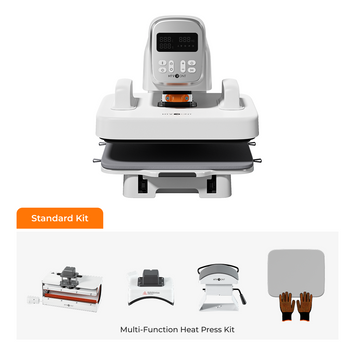
If you're working on smaller leather items like wallets or keychains, a smaller heat press or even a Cricut EasyPress can give you more control over the process. For larger projects, a full-sized heat press may be more appropriate.
With the technique dialed in, the real fun begins. Here are some of the most popular ways crafters and small businesses are using heat-pressed leather to create products people love.
4. Creative Applications for Heat Pressing on Leather
Heat pressing vinyl on leather opens up a world of creative possibilities. From personalized gifts to branded merchandise, the technique allows you to transform leather items into unique, eye-catching designs. Here are some ideas to inspire your next project:
-
Personalized Accessories: Add monograms, names, or designs to leather wallets, handbags, and belts for a personal touch.
-
Custom Apparel: Create bold graphics or logos on PU leather jackets or faux leather skirts.
-
Home Décor: Heat press designs onto leather coasters, throw pillows, or wall art for a modern, stylish look.
-
Promotional Products: Use heat pressing to add branding or logos to leather notebooks, keychains, or tote bags for corporate gifts or giveaways.
5. Frequently Asked Questions
Can you heat press on faux leather without melting it?
Yes, but temperature control is critical. Faux leather—especially PVC-based types—can melt or warp at high temperatures. Stay in the lower range of 250–280°F (121–138°C), use light pressure, and always place a protective Teflon sheet between the heat press and the material. A quick test on a scrap piece is your best insurance against a ruined project.
What type of HTV works best on leather?
Textured HTV like glitter, flock, or matte-finish vinyl tends to adhere better to leather's smooth or slightly textured surface than glossy standard HTV. If you're working with genuine leather, consider a HTV formulated for difficult surfaces. Always check that the adhesive is heat-activated and compatible with the specific leather type you're using.
Will heat pressing damage genuine leather?
It can, if proper precautions aren't taken. High heat can cause genuine leather to discolor, stiffen, or develop burn marks. To minimize risk, keep temperatures at or below 280°F, use a protective barrier like a Teflon sheet, and press for the shortest effective duration. The natural oils in leather make it slightly more forgiving than synthetics, but it still requires a gentle touch.
How long should I press HTV on leather?
For most leather types, 10–15 seconds at 250–280°F with light to medium pressure is a good starting point. Shorter pressing times reduce the risk of heat damage. Peel the carrier sheet warm—leather cools quickly, and waiting too long can cause the adhesive to lift with the backing.
Is it safe to use a household iron on leather instead of a heat press?
A household iron can work for small leather projects, but it's riskier. Irons have uneven heat distribution and lack the precise temperature control of a heat press. If you use an iron, set it to a low synthetic setting, use a pressing cloth as a barrier, and avoid sliding the iron across the surface—lift and place it instead. For consistent, professional results, a heat press is strongly recommended.
6. Can You Heat Press on Leather? Yes, and Here's Why You Should Try It
If you've ever wondered, "Can you heat press on leather?", the answer is a resounding yes! With the right tools, techniques, and a little practice, you can create stunning, customized leather items that stand out. Whether you're working with genuine leather, faux leather, or PU leather, heat pressing allows you to add a personal touch that elevates your projects to the next level.
Of course, every type of leather reacts differently to heat, so it's important to test your materials and adjust your settings accordingly. But don't let the challenges discourage you—heat pressing on leather is an exciting way to unleash your creativity and bring your designs to life. So, the next time you're looking to customize a leather item, remember: with the right preparation, you absolutely can heat press vinyl on leather, faux leather, and PU leather. The possibilities are endless!


 Cart Unlocks Add-On Deals