Introduction
Heat pressing designs onto a t-shirt is a popular way to customize clothing, whether for personal use, gifts, or small business purposes. While professional T-shirt press machines are considered the standard and most efficient tool for this activity, it doesn't mean that using an iron is entirely out of the question. When you have a heat pressing project that needs to be completed but don't have access to a heat press machine, an iron can serve as a practical alternative.
This guide will walk you through the process step-by-step, ensuring your design looks professional and lasts long. We'll also compare the iron method to using a dedicated heat press, so you know exactly what trade-offs you're making—and when it might be time to upgrade.
1. Materials Needed
Before you begin, gather the following materials:
-
T-shirt: Choose a plain t-shirt made of cotton or a cotton-polyester blend. These materials work best for heat transfer.
-
Heat transfer vinyl (HTV) or transfer paper: HTV is ideal for creating custom designs, while transfer paper works well for printing detailed images.
-
Household iron: Any iron will work, but ensure it has adjustable temperature settings.
-
Ironing board or flat surface: Use a sturdy and heat-resistant surface to work on.
-
Parchment paper or Teflon sheet: This acts as a protective layer between the iron and the transfer material.
-
Scissors or cutting tool: For trimming your design.
-
Ruler or measuring tape: To position the design accurately.
-
Lint roller: To remove dust and debris from the t-shirt.
With everything laid out and ready, let's walk through the pressing process step by step. The technique is what makes the difference between a design that lasts and one that peels after the first wash.
2. Step-by-Step Process
Step 1: Prepare Your Design
Start by creating or selecting the design you want to heat press. If you're using heat transfer vinyl (HTV), cut the design using a cutting machine like iCraft vinyl cutter. Alternatively, if you're using transfer paper, print your design onto the paper using an inkjet printer. Make sure to mirror the image if required, especially for HTV and some types of transfer paper.
Once your design is ready, trim away any excess material around the edges to avoid unnecessary transfer onto the t-shirt.
Step 2: Preheat the Iron
Set your iron to the appropriate temperature based on the material of your t-shirt and the type of transfer material. For most HTV, the iron should be set to a medium-high heat (usually around 300°F or the "cotton" setting). Avoid using steam, as moisture can interfere with the transfer process. If your iron has a steam function, turn it off completely.
Allow the iron to heat up for a few minutes before use.
Step 3: Prepare the T-shirt
Lay your t-shirt flat on the ironing board or a heat-resistant surface. Use a lint roller to remove any dust, lint, or debris from the fabric. This ensures the design adheres smoothly without imperfections. If the t-shirt is wrinkled, iron it briefly to create a flat surface for the transfer.
Step 4: Position the Design
Place your design on the t-shirt, ensuring it is centered and aligned. Use a ruler or measuring tape to check the placement, especially if you're working with text or logos. Once you're satisfied with the positioning, cover the design with parchment paper or a Teflon sheet. This protective layer prevents the iron from directly touching the transfer material, reducing the risk of damage.
Step 5: Apply Heat and Pressure
Now it's time to press the design onto the t-shirt. Firmly press the iron onto the parchment paper-covered design, applying even pressure. Hold the iron in place for about 10-15 seconds, then move it to the next section of the design. Avoid sliding the iron across the surface, as this could shift the design and ruin the transfer.
Repeat this process until the entire design has been heated evenly. For larger designs, work in sections to ensure consistent heat distribution.
Step 6: Check and Peel
After applying heat, let the design cool for a few seconds. Carefully peel away the transfer material backing (for HTV) or transfer paper. If the design doesn't adhere properly, reapply heat and pressure for a few more seconds, focusing on the areas that need extra attention.
Step 7: Final Press
Once the backing is removed, cover the design with parchment paper again and give it a final press with the iron. This step ensures the design is fully adhered and helps seal it into the fabric. Apply firm pressure for about 5-10 seconds, then let the t-shirt cool completely.
You've got the iron method down. But how does it actually stack up against a dedicated heat press? Let's compare them honestly so you know what to expect from each approach.
3. Heat Press vs. Iron: A Practical Perspective
While a heat press machine is widely regarded as the gold standard for heat pressing, it's not always accessible or practical for everyone. Heat press machines offer consistent temperature control, even pressure, and faster results, which makes them the most reliable choice for professional-quality transfers. However, this doesn't mean that using an iron is completely unfeasible.
An iron can be a great substitute when you're in a situation where you don't have access to a heat press machine but need to complete a heat pressing task. With proper technique and attention to detail, you can achieve impressive results using an iron. It may take more time and effort compared to a heat press, but it's a cost-effective and accessible solution for DIY enthusiasts or those on a budget.
That said, if you find yourself pressing designs regularly, the limitations of an iron become apparent quickly. Here are two tools that bridge the gap between a basic iron and a full-sized commercial press.
4. Better Way for T-shirt Pressing
While using an iron can be a practical solution for heat pressing t-shirts, there are more advanced tools available that make the process easier, faster, and more efficient. If you're looking to upgrade your heat pressing setup, HTVRONT offers two innovative machines that cater to different needs: the HTVRONT Heat Press Digi 2 and the HTVRONT H10 Portable Heat Press.
HTVRONT Heat Press Digi 2
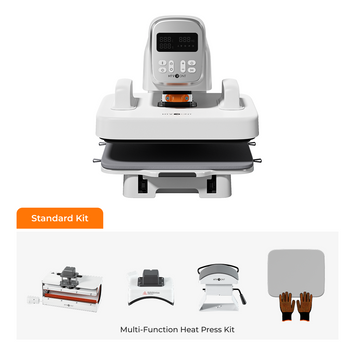
This second-generation automatic heat press machine is designed for small-scale commercial operations that require frequent and efficient heat pressing. Its standout features include digital controls and intelligent automation, which allow for precise temperature, pressure, and time settings. These digital capabilities ensure consistent results, making it ideal for high-volume production or small businesses looking to streamline their workflow. The machine's ease of use and reliability make it a top choice for anyone seeking professional-quality heat pressing without the hassle of manual adjustments.

HTVRONT H10 Portable Heat Press
Unlike traditional heat press machines, the H10 Portable Heat Press is a handheld device that offers unique versatility. Equipped with dual handles for better balance, it ensures even heat transfer across surfaces. This machine also features smart pressure display and adjustable settings for heat temperature and pressing time, giving users greater control over their projects. In addition to t-shirt customization, the H10 is designed for broader applications, such as creating furniture and wall decorations. Although this innovative device is not yet available for sale, it promises to be a game-changer for DIY enthusiasts and crafters who need flexibility and precision in their projects.

Whether you stick with an iron or invest in one of these machines, a few universal habits will keep your results consistent. Here's what to keep in mind.
5. Tips for Best Results
-
Test First: If you're new to heat pressing with an iron, practice on an old t-shirt before working on your final piece.
-
Use Consistent Pressure: Applying even pressure is key to achieving a smooth transfer. Avoid pressing too lightly or unevenly.
-
Double-Check Temperature: Different transfer materials require different heat settings. Always refer to the manufacturer's instructions to avoid overheating or underheating.
-
Wash Carefully: After heat pressing, wait at least 24 hours before washing the t-shirt. Wash it inside out in cold water and avoid using bleach or harsh detergents to preserve the design.
6. Frequently Asked Questions
Can I use a steam iron for HTV?
No. Steam introduces moisture that interferes with the adhesive bond between the vinyl and the fabric. Always turn off the steam function completely and ensure the iron's water reservoir is empty before pressing HTV. Even residual water can drip out during pressing and ruin your transfer.
How long should I press HTV with a household iron?
For most standard HTV, press each section firmly for 10-15 seconds without sliding the iron. Larger designs require you to work in overlapping sections, which means the total pressing time can be several minutes—significantly longer than the single 10-15 second press a heat press would need for the same design.
Why does my HTV peel off after washing when I use an iron?
The most common causes are uneven pressure, insufficient heat, or trapped moisture. Unlike a heat press that applies calibrated, even pressure across the entire design at once, an iron relies on your arm strength and creates hot spots. Peeling often occurs at the edges of the design where pressure was lightest. Preheating the fabric to remove moisture and applying firm, consistent pressure across every section helps reduce this risk.
Is it worth buying a heat press if I only make shirts occasionally?
If you're making fewer than 2-3 shirts a month and don't mind the extra time and care required, an iron works fine. However, if you find yourself avoiding complex designs because the iron method is too tedious—or if you're starting to sell your creations—even an entry-level heat press will save you time and noticeably improve your results. Compact models like the HTVRONT Mini Heat Press offer a middle ground for occasional crafters.
Can I use an iron on dark-colored t-shirts?
Yes, but the type of transfer material matters. Standard HTV works on any color fabric because the vinyl itself is opaque. If you're using transfer paper, make sure you have the correct type for dark fabrics—light fabric transfer paper produces a transparent background that won't show up on dark shirts. HTV is generally the more reliable choice for dark garments regardless of your heat source.
7. Conclusion
While a heat press machine remains the most efficient and reliable tool for heat pressing designs onto t-shirts, using an iron is a viable alternative when a heat press isn't available. By following the steps outlined above, you can create custom t-shirts that look professional and last long. With a bit of patience and attention to detail, your DIY heat pressing project can turn out just as impressive as one done with a professional machine.
For those who want to take their heat pressing to the next level, investing in advanced tools like the HTVRONT Heat Press Digi 2 or the HTVRONT H10 Portable Heat Press can make the process even more efficient and enjoyable. So, don't let the lack of a heat press stop you from unleashing your creativity—grab an iron or explore better tools, and start heat pressing today!


 Cart Unlocks Add-On Deals