Introduction
Creating custom T‑shirt press designs is one of the most satisfying ways to express your creativity, launch a small business, or make unforgettable gifts. Whether you're a complete beginner or looking to sharpen your skills, this step‑by‑step guide walks you through the entire process—from brainstorming your idea to pressing a finished shirt. We'll cover the two most beginner‑friendly methods: HTV and DTF printing, using tools like HTVRONT's IdeaStudio™ software and the D1 DTF Printer.
Let's start with the foundational knowledge—what T‑shirt press designs are and how the major transfer methods differ.
Step 1: Understand the Basics of T‑Shirt Press Designs
T‑shirt press designs involve transferring graphics, text, or images onto fabric using heat and pressure. The three main methods are HTV, sublimation, and DTF—each with its own materials and workflow.
At its core, the process relies on a heat press machine that applies controlled heat and pressure to bond a design permanently to the fabric. The most common methods include:
-
Heat Transfer Vinyl (HTV): A vinyl material cut into shapes or text and pressed onto the shirt. Ideal for simple, bold designs.
-
Sublimation Printing: Uses special ink and transfer paper to create vibrant, full‑color designs on polyester fabrics and coated items.
-
DTF Printing (Direct‑to‑Film): A newer method where designs are printed onto a special PET film, coated with adhesive powder, and then pressed onto the shirt. DTF works on a wide variety of fabrics and produces detailed, durable results.
In this guide, we'll focus on HTV and DTF—two accessible, beginner‑friendly approaches that yield professional‑quality results.
With the basics covered, let's gather everything you'll need before you start designing.
Step 2: Gather Your Tools and Materials
A successful T‑shirt project starts with the right equipment: design software, a cutting machine or DTF printer, a heat press, and quality blank shirts.
Tools
-
Design Software: Programs like Adobe Illustrator, Photoshop, Canva, or free options like GIMP and Inkscape work well. HTVRONT also offers IdeaStudio™, a specialized design tool built for heat transfer and DTF projects.
-
Cutting Machine: Cricut or Silhouette are popular choices. HTVRONT's iCrafts (LOKLiK Cutting Machine 2) pairs seamlessly with IdeaStudio™, letting you access built‑in SVG libraries and send designs directly to the vinyl cutter for precise results.
-
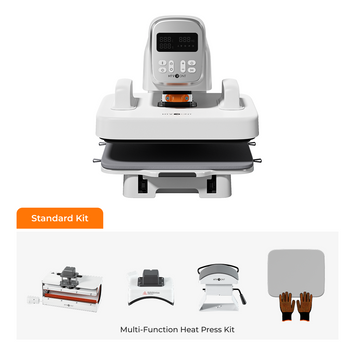
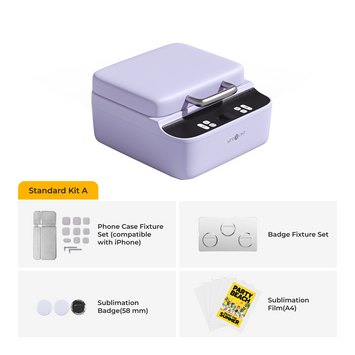
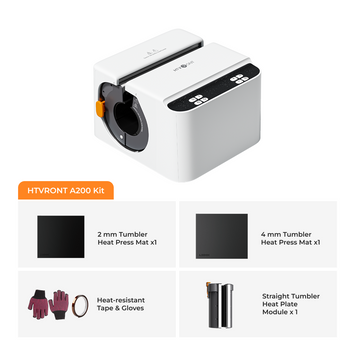
Heat Press Machine: A dedicated heat press provides consistent heat and pressure. While a household iron can handle small projects, a press is essential for reliable, long‑lasting transfers.
-
Printer (for DTF): You'll need a DTF printer like HTVRONT's D1 DTF Printer, plus specialized DTF ink and transfer film.
-
Powder Curing Machine (for DTF): Required to heat‑cure the adhesive powder on the transfer film so it bonds properly to the fabric.
Materials
-
Heat Transfer Vinyl (HTV): Available in a wide range of colors, textures, and finishes.
-
Sublimation Paper and Ink: For sublimation printing on polyester items.
-
DTF Transfer Film and Ink: Special materials for the DTF printing workflow.
-
Blank T‑Shirts: Choose high‑quality cotton, polyester, or blends depending on your method.
-
Weeding Tools: For removing excess vinyl from HTV designs.
-
Transfer Tape: Helps move intricate vinyl designs onto the shirt cleanly.
Armed with the right tools, it's time to develop your concept—great designs always start with a solid plan.
Step 3: Brainstorm and Plan Your Design
A thoughtful design begins with understanding your audience, choosing a theme, and sketching out placement and proportions before you open any software.
Ask yourself these questions before you start:
-
Target Audience: Are you designing for kids, sports teams, businesses, or casual everyday wear?
-
Themes and Styles: Should the design be funny, inspirational, artistic, or minimalist?
-
Colors and Fonts: Pick a palette and typeface that complement your message and stand out on the shirt color.
Sketch your ideas on paper or create a rough draft in a design program. Keep the final placement in mind—common locations include the chest, back, or sleeves—and make sure your design size matches the garment dimensions.
With a clear vision in place, let's bring it to life digitally.
Step 4: Create Your Design
Choose beginner‑friendly software, set your canvas to the correct size, work in layers, use vector graphics for scalability, and keep the design simple for the cleanest results.
1. Choose the Right Software
Canva is great for beginners with its pre‑made templates. Adobe Illustrator or Photoshop offers professional‑grade control. For heat transfer and DTF specifically, HTVRONT IdeaStudio™ is purpose‑built and integrates directly with HTVRONT's cutting machines and DTF printer.
Features of HTVRONT IdeaStudio™
-
Beginner‑Friendly Interface: Clean layout with guided tutorials to get you started quickly.
-
Smart Material Optimization: Automatically adjusts cutting or printing parameters for HTV, DTF film, and stickers to reduce waste.
-
Print‑Then‑Cut Optimization: Maximizes material usage for the "Print‑Then‑Cut" workflow.
-
Text and Font Tools: Built‑in smart font search and text layout features for professional typography.
-
D1 DTF Printer Compatibility: Upload, edit, and print designs directly onto DTF transfer film—all within the software.
-
Community Template Library: Browse, share, and download design templates for inspiration.
-
Real‑Time Monitoring: Track cutting and printing progress, with built‑in troubleshooting tips.
Access Free Designs from the IdeaStudio Artist Community
One of the standout benefits of IdeaStudio™ is its thriving artist community. Hundreds of talented artists have already joined IdeaStudio and are actively sharing their creative designs within the platform. For beginners, this means instant access to a growing library of free, high‑quality artwork—no design experience required. You can browse patterns, illustrations, and typography created by professional artists, then use them directly in your own heat press projects. It's the fastest way to go from a blank canvas to a stunning, press‑ready T‑shirt design without starting from scratch.
2. Set Your Canvas Size
Match your canvas to your intended design size. A common starting point is 12×12 inches, but adjust based on the shirt size and placement area.
3. Design with Layers
Separate different elements—text, shapes, background—into individual layers. This makes editing specific parts far easier later on.
4. Use Vector Graphics
Vectors don't lose quality when resized, unlike raster images. Programs like Illustrator and IdeaStudio™ are built for vector work, giving you crisp edges at any scale.
5. Keep It Simple
Intricate designs can be stunning, but they're also harder to cut and transfer. For your first projects, stick to bold shapes, clean text, and a minimal color palette—you'll get cleaner, more consistent results.
Your digital design is ready—now it needs to be prepared correctly for the transfer method you've chosen.
Step 5: Prepare Your Design for Printing
Mirror your design for HTV (not for DTF), save in the correct file format (SVG for cutting, PNG for printing), and always test‑print on plain paper first to verify size and colors.
1. Mirror Your Design
For HTV, always mirror (flip) your design before cutting so it reads correctly after transfer. For DTF printing, mirroring is not necessary—the printer handles orientation automatically.
2. Choose the Right File Format
Save your design in a format compatible with your equipment: SVG for cutting machines, PNG for DTF or sublimation printing.
3. Test Print Your Design
Print a version on plain paper first. Check the size, colors, and overall appearance before committing to expensive transfer materials. This simple step saves time, money, and frustration.
With your design prepped and verified, it's time to move into production—the cutting and printing stage.
Step 6: Cut and Print
The production process splits into two clear paths: HTV requires cutting and weeding before pressing, while DTF involves printing, powdering, and curing before the heat press step.
HTV Transfer Heat Press Process
-
Prepare the HTV: Place the vinyl shiny side down on the cutting mat and load it into the machine. Ensure your design is mirrored.
-
Cut the Design: Adjust settings based on the HTV type (glitter, matte, textured) and send the design to cut.
-
Weed the Design: Use a weeding tool to carefully remove the excess vinyl, leaving only your design on the carrier sheet.
-
Heat Press the Design:
- Preheat the T‑shirt for a few seconds to remove wrinkles and moisture.
- Place the HTV design shiny side up and press at 300–320°F for 10–15 seconds (check your HTV's specific instructions).
- Peel the carrier sheet—hot peel or cold peel depending on the vinyl type.
DTF Heat Press Process
-
Print the Design: Use IdeaStudio™ to send your design to the D1 DTF Printer. Print directly onto DTF transfer film—no mirroring required.
-
Apply Adhesive Powder: Sprinkle powder over the wet ink immediately after printing. Shake off the excess thoroughly.
-
Cure the Powder: Place the film in a curing machine or use a heat press at low temperature to melt the powder into a smooth, tacky adhesive layer.
-
Heat Press the Design:
- Preheat the T‑shirt for a few seconds.
- Position the transfer film printed side down on the shirt.
- Press at 325°F for 15–20 seconds.
- Let the film cool completely before peeling it off.
Your shirt is pressed—now a few final steps will ensure it looks great and lasts for years.
Step 7: Final Touches and Care
Inspect the finished shirt for imperfections, re‑press if needed, and follow proper care instructions to maximize the lifespan of your design.
After transferring, check the shirt carefully. If any areas look incomplete or weakly adhered, give them a quick re‑press. To keep your custom shirts looking fresh:
- Wash inside out in cold water.
- Avoid bleach and harsh detergents.
- Hang dry or tumble dry on low heat.
Frequently Asked Questions
Do I need to mirror my design for DTF printing?
No. DTF printers handle orientation automatically. You only need to mirror designs when cutting HTV, since the vinyl is placed face‑down on the cutting mat.
Can I use an iron instead of a heat press?
For small, simple HTV projects, a household iron can work in a pinch. However, it lacks the even heat distribution and consistent pressure of a dedicated heat press. For DTF or professional results, a heat press is strongly recommended.
What's the difference between HTV and DTF?
HTV involves cutting vinyl sheets into shapes and pressing them onto fabric—best for simple, bold designs. DTF prints full‑color artwork onto transfer film, which is then coated with adhesive powder and pressed. DTF handles complex, multi‑color designs better and works on a wider variety of fabrics.
How long do heat‑pressed designs last on a T‑shirt?
When applied correctly and cared for properly, both HTV and DTF designs can last 50+ washes without cracking, peeling, or significant fading. Washing inside out in cold water and avoiding high‑heat drying extends longevity considerably.
Conclusion
Creating T‑shirt press designs is a rewarding blend of creativity and craftsmanship. By following these seven steps—understanding the basics, gathering your tools, planning your design, creating it digitally, preparing it correctly, cutting or printing with precision, and finishing with proper care—you can produce professional‑quality custom shirts with confidence. With powerful tools like HTVRONT IdeaStudio™ and the D1 DTF Printer, plus access to hundreds of free designs shared by talented artists in the IdeaStudio community, the entire workflow is more accessible than ever. So grab your tools, unleash your imagination, and start making wearable art today.


 Cart Unlocks Add-On Deals