Before diving into the process, let's take a moment to understand what heat pressing is. Heat pressing is a method of transferring designs—such as vinyl, sublimation prints, or screen-printed transfers—onto fabric using heat, pressure, and time. Think of it as a modern-day iron—but far more powerful and precise. With a heat press machine, you can achieve vibrant, durable, and professional-looking designs that won't peel or fade over time.
The magic behind heat pressing lies in the adhesive layer of the transfer material. When you apply the right combination of heat and pressure, the adhesive melts and bonds with the fabric fibers. Once it cools, the bond is permanent—creating a design that moves with the fabric and survives countless washes.
Choosing the Right Heat Press for Your Needs
Not all heat presses are created equal. The best choice depends on your projects, workspace, and budget. HTVRONT offers several options tailored for different users:
Auto Heat Press 2 – The flagship model. A 1500W fully automatic heat press with a 15×15 inch platen, 7 adjustable pressure levels (20–80 kg), a 4.5 cm heating height for hoodies and thick items, Bluetooth app control, and 4 custom memory slots. It launched on November 1, 2024, and has since become one of HTVRONT's most beloved products, helping countless DIY enthusiasts and solo entrepreneurs bring their ideas to life. If you want a machine that combines beginner-friendliness with professional-grade capability, this is the one.
H10 T-shirt Press (12×10 in) – A manual press with an expanded heating area, dual-handle design, and real-time pressure display. It's ideal for larger projects and users who prefer hands-on control.
H1 Mini Heat Press – A lightweight, portable, and fast-heating option perfect for beginners, home users, and small DIY business owners. Its teardrop-shaped pointed tip easily tackles small corners, narrow areas, and irregular surfaces that larger presses can't handle—think hat brims, canvas shoes, collar logos, and wallets.
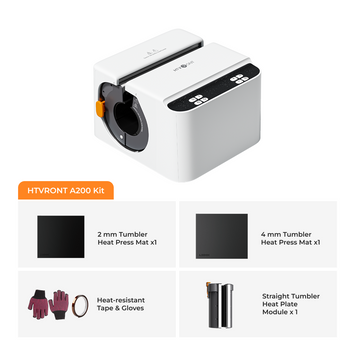
A100 Auto Multi Heat Press – An intelligent 3-in-1 machine with a tool-free quick-swap design that lets you switch between flat press, hat press, and tumbler press modules. It's designed for advanced DIY creators and light-business custom sellers who want to scale their capabilities.
Manual T-shirt Press – A reliable and affordable alternative for those on a tighter budget.
What You'll Need
To heat press a shirt, gather the following materials and tools:
Heat Press Machine – Choose the one that best fits your needs from the options above.
Shirt – Cotton, polyester, or blends work well. Make sure the fabric is clean and smooth.
Transfer Material – Heat transfer vinyl (HTV), sublimation paper, DTF film, or a pre-made transfer design.
Teflon Sheet or PTFE Sheet – Protects your shirt and design from direct heat and prevents sticking.
Heat Press Mat – Provides a stable pressing surface.
Heat-Resistant Tape – Secures your design in place to prevent shifting during pressing.
Heat-Resistant Gloves – Protects your hands from burns.
Optional Tools – Lint roller, weeding tool (for vinyl), scissors, and pressing pillow or folded towel (for evening out seams and buttons).
Step-by-Step Guide: How to Heat Press a Shirt
Step 1: Prepare Your Shirt
Start by laying your shirt flat on a clean surface. Remove any wrinkles or lint using a lint roller. Then, pre-press the shirt for a few seconds with your heat press. This step removes moisture and wrinkles, ensuring better contact between the fabric and the transfer material. Water has a high specific heat capacity, and excess moisture can prevent the vinyl from reaching the required temperature, potentially causing improper adhesion.
Step 2: Prepare Your Design
If you're using heat transfer vinyl (HTV), cut your design using a vinyl cutter and weed out any excess material. For sublimation or DTF transfers, ensure your design is printed and ready to go. Double-check the size and placement to make sure it fits perfectly on the shirt.
Step 3: Set Up Your Heat Press Machine
Turn on your heat press and adjust the settings. Each material requires specific temperature, pressure, and time settings. Here's a general guideline:
Transfer Material
Temperature
Time
Pressure
Heat Transfer Vinyl (HTV)
150°C (305°F)
10-15 sec
Medium
Sublimation
195-205°C (385-400°F)
40-60 sec
Medium
Screen-Printed Transfers
190°C (375°F)
10-15 sec
Heavy
DTF Film
150-160°C
15-20 sec
Medium
💡 Pro Tip: If you're using the Auto Heat Press 2, the machine can automatically adjust these settings via its Bluetooth app and memory slots. For the H10, you'll set temperature and time using the dedicated buttons—press the "Temperature" or "Time" button, use the "+" and "-" buttons to adjust, and confirm your selection. For the H1 Mini, simply turn the knob to select one of three heat levels.
Step 4: Position Your Design
Lay your shirt flat on the heat press platen. Position your design on the shirt, ensuring it's centered and aligned. If you're working with a multi-layer design or want extra precision, use heat-resistant tape to secure the design in place. This prevents shifting during pressing.
Step 5: Apply the Teflon Sheet
Place a Teflon sheet (PTFE sheet) over your design. This protective layer prevents the vinyl from sticking to the heat press and ensures even heat distribution.
Step 6: Heat Press Your Shirt
Close the heat press and apply the recommended temperature, pressure, and time settings. If you're using the Auto Heat Press 2, the process is fully automated—the machine handles the pressure, temperature, and timing for you. For manual presses like the H10 or H1, you'll close the handle and monitor the process yourself. Once the timer goes off, lift the press.
Step 7: Remove the Transfer Material (Hot Peel vs. Cold Peel)
This is one of the most critical steps in the heat pressing process. The method you use—hot peel or cold peel—depends entirely on your transfer material. Choosing the wrong method can ruin your design, so let's break it down.
What Is Hot Peel?
Hot peel means peeling off the transfer sheet while it's still warm—immediately after pressing. Think of it like ripping off a Band-Aid, but without the pain. The heat activates the adhesive on the transfer paper, bonding your design firmly to the fabric. When you peel off the paper while it's still warm, a crisp, vibrant masterpiece is revealed.
⚠️ Important: Hot peel doesn't mean you have to peel while it's scalding hot. It simply means peeling before the transfer paper has fully cooled. Always wear heat-resistant gloves—a 300°F (about 150°C) heat press plate can cause serious burns.
Which materials use hot peel? Most standard HTV and screen-printed transfers are hot peel. Always check the manufacturer's instructions for your specific material.
What Is Cold Peel?
Cold peel is the opposite approach—you wait for the surface to completely cool before peeling off the transfer sheet. It's a "slow and steady wins the race" approach where patience pays off in the form of perfection. When the transfer cools down, the adhesive has time to fully bond with the fabric, ensuring every detail of your design adheres perfectly.
Think of it like waiting for a painting to dry completely. While you might be tempted to rush, waiting ensures your design won't have cracks, smudges, or imperfections.
Which materials require cold peel?
Metallic HTV – Needs to cool before peeling to ensure the metallic finish stays intact and doesn't crack or lift during peeling.
Glitter HTV – Due to its textured surface, cold peeling ensures the glitter particles adhere securely while maintaining their sparkle.
Intricate or complex designs – Detailed designs with fine lines or small elements benefit from cold peel, as it gives the adhesive maximum time to bond.
How to Decide: Hot Peel or Cold Peel? The golden rule: Always follow the manufacturer's instructions for your specific transfer material. When in doubt, check the product packaging or the brand's website for recommended peeling instructions.
Step 8: Inspect Your Design
Take a moment to inspect your newly pressed shirt. Ensure the design is fully adhered, vibrant, and free of bubbles or wrinkles. If you notice any issues, you can re-press the shirt for a few seconds.
How Long Does It Take to Heat Press a T-Shirt?
The total time depends on your machine and material:
Preheating the machine: 3–5 minutes (the Auto Heat Press 2 reaches 300°F in 3–4 minutes and 410°F in 5.5 minutes).
Actual pressing time: 10–60 seconds depending on the transfer material (see table above).
Cooling time: 1–2 minutes before peeling (for cold peel materials).
In total, you can expect to spend about 5–10 minutes per shirt from start to finish, with most of that time being machine preheating.
Tips for Perfect Heat Press Results
Test Before Pressing – Always test your settings on a scrap piece of fabric or an old shirt to ensure they're correct for your material.
Pre-press Your Garment – This removes moisture and wrinkles, ensuring better adhesion.
Use Quality Materials – Invest in high-quality transfer materials and shirts to ensure durability and vibrancy.
Choose the Right Pressure – Too little pressure and the vinyl won't stick; too much and you risk damaging the fabric or causing adhesive bleed-through.
Keep Your Workspace Clean – Dust or lint can ruin your transfer. Make sure your shirt and workspace are clean before pressing.
Watch Your Temperature – Different fabrics require different temperatures. Cotton can handle higher heat, while polyester needs lower temperatures to avoid scorching or shine.
What If Something Goes Wrong?
Mistakes happen—a crooked letter, the wrong size, a misaligned logo. The good news is that heat—used wisely—can also be your eraser. Here's how to remove HTV from a shirt using your heat press:
Preheat and Prep – Set your press to the low end of your fabric's safe range. Place a pressing pillow under the area for even pressure and cover the graphic with a Teflon sheet.
Soften in Short Pulses – Press for 5–8 seconds, then lift the platen quickly. Aim for warm and pliable—not melted.
Lift an Edge – While warm, use heat-resistant tweezers or a weeding hook to catch a corner of the HTV. Peel gently at a low angle (about 20–30°).
Work in Sections – Reheat the next area for another 5–8 seconds, then peel. Think zipper: small sections, steady rhythm.
Tackle Residue – If adhesive remains, let the area cool slightly. Dab a small amount of HTV-safe adhesive remover or isopropyl alcohol on a cloth and gently rub the residue.
HTVRONT: Your One-Stop DIY Solution
Heat pressing a shirt is an art that combines creativity and precision. With the right tools, materials, and techniques, you can create stunning, professional-quality designs that stand the test of time. Whether you're crafting for fun or building a business, mastering the heat press process opens up endless possibilities for self-expression.
HTVRONT is more than just a heat press supplier—they offer a complete ecosystem of DIY tools to support every stage of your creative journey:
Vinyl Cutters for precise cutting of heat transfer vinyl
DTF Printers for advanced direct-to-film printing
Laser Engraving Machines for intricate designs on wood, metal, or glass
Paint by Numbers Machine (iPaint) for artistic projects
With HTVRONT's comprehensive range of DIY tools, you'll find everything you need to bring your creative ideas to life. So, grab your favorite crafting machine and start creating today!
Read More
Want to dive deeper? Check out these related articles to expand your heat pressing knowledge:
Peeling Techniques
›What is Hot Peel?— Learn when and how to peel transfer paper while it's still warm.
›What is Cold Peel?— Discover why some materials need to cool completely before peeling.


 Cart Unlocks Add-On Deals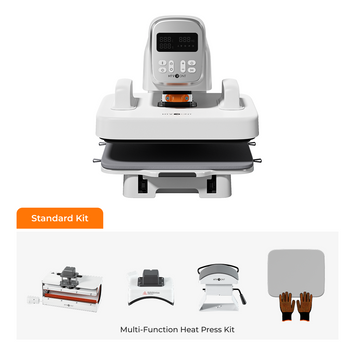



![How to Heat Press a Shirt [2026 Updated]](http://www.htvront.com/cdn/shop/articles/how-to-heat-press-a-shirt---2026_compressed_d0c21b18-32dc-443a-903c-d5b3bd578d78_1200x.webp?v=1782281864)


![10 Father's Day DIY Ideas [2026] Make Some Gear With Your Old Man](http://www.htvront.com/cdn/shop/articles/img-1780972656757_350x350.webp?v=1780975024)


![10 Father's Day DIY Ideas [2026] Make Some Gear With Your Old Man](http://www.htvront.com/cdn/shop/articles/img-1780972656757_542x.webp?v=1780975024)


